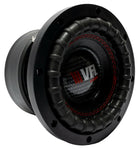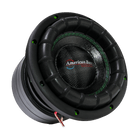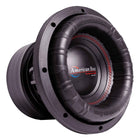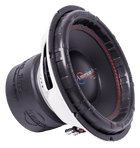





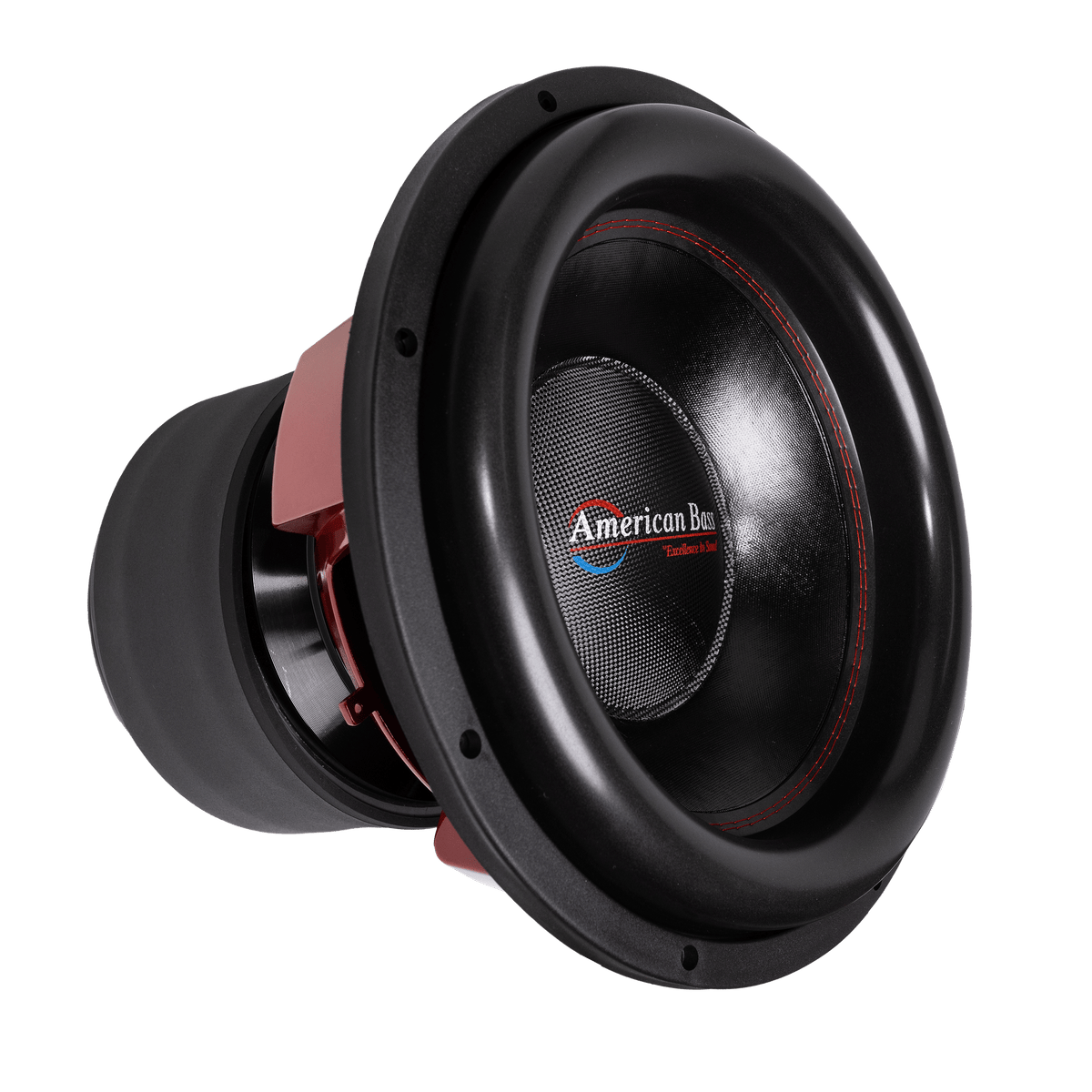
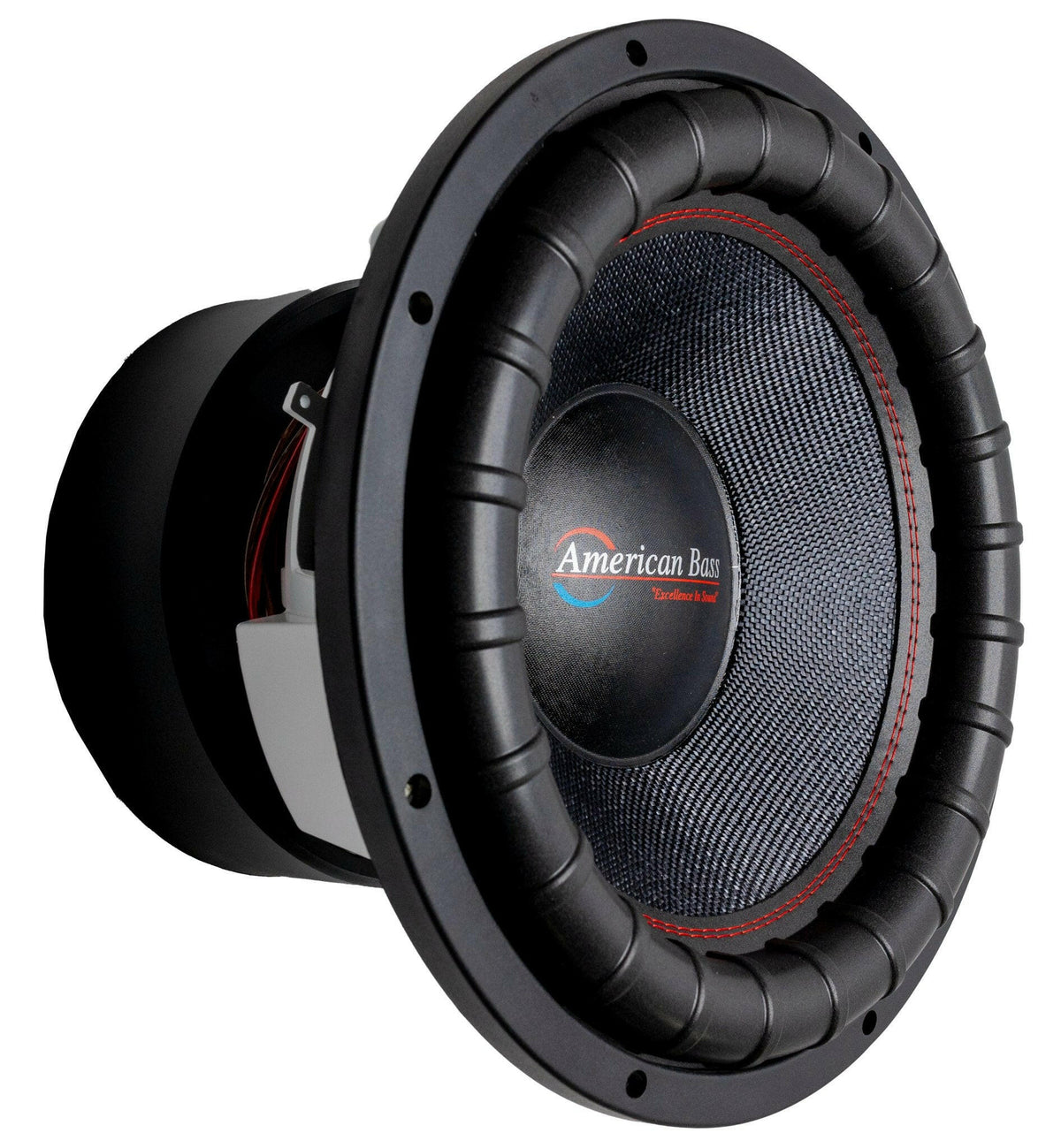
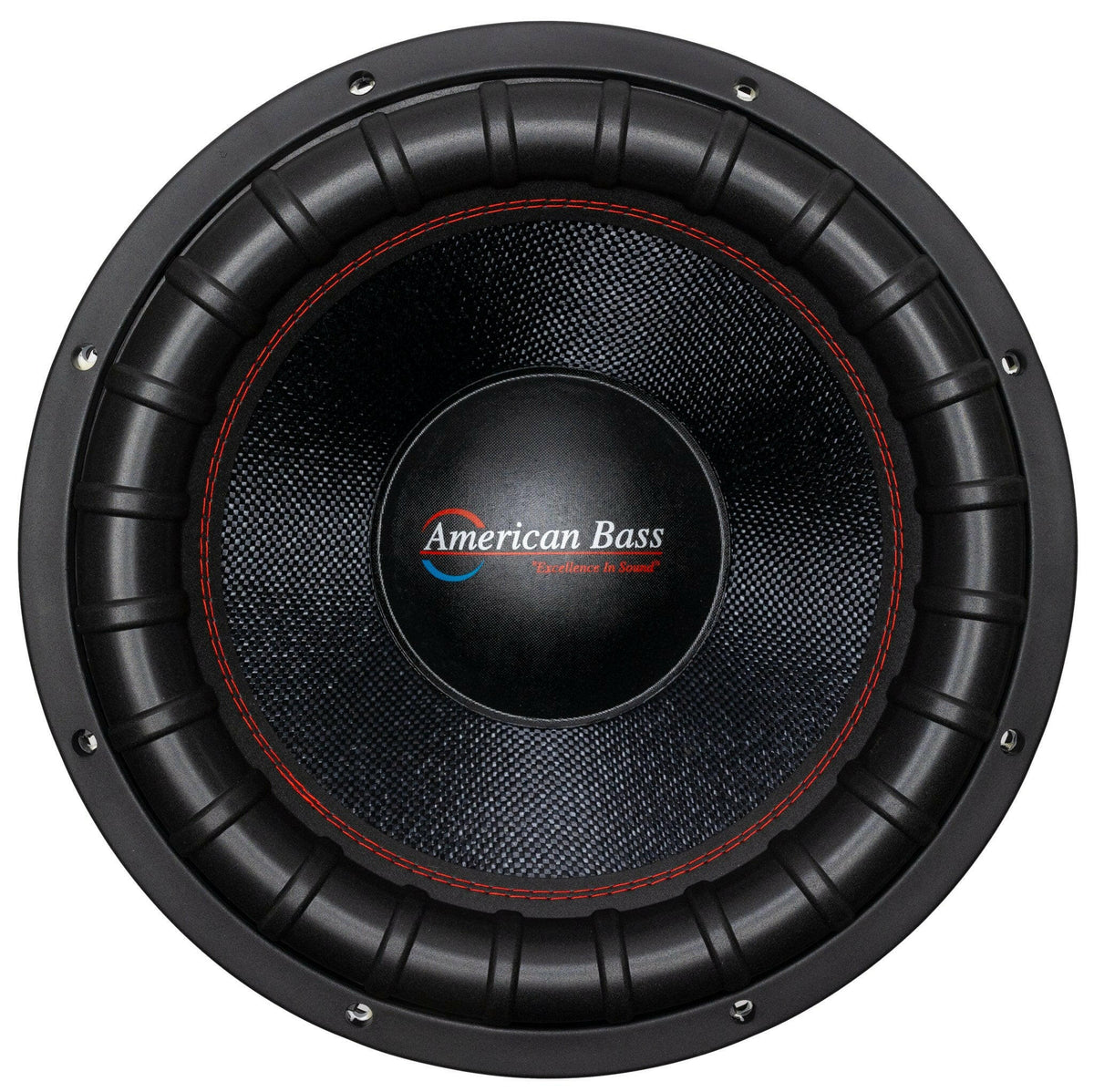

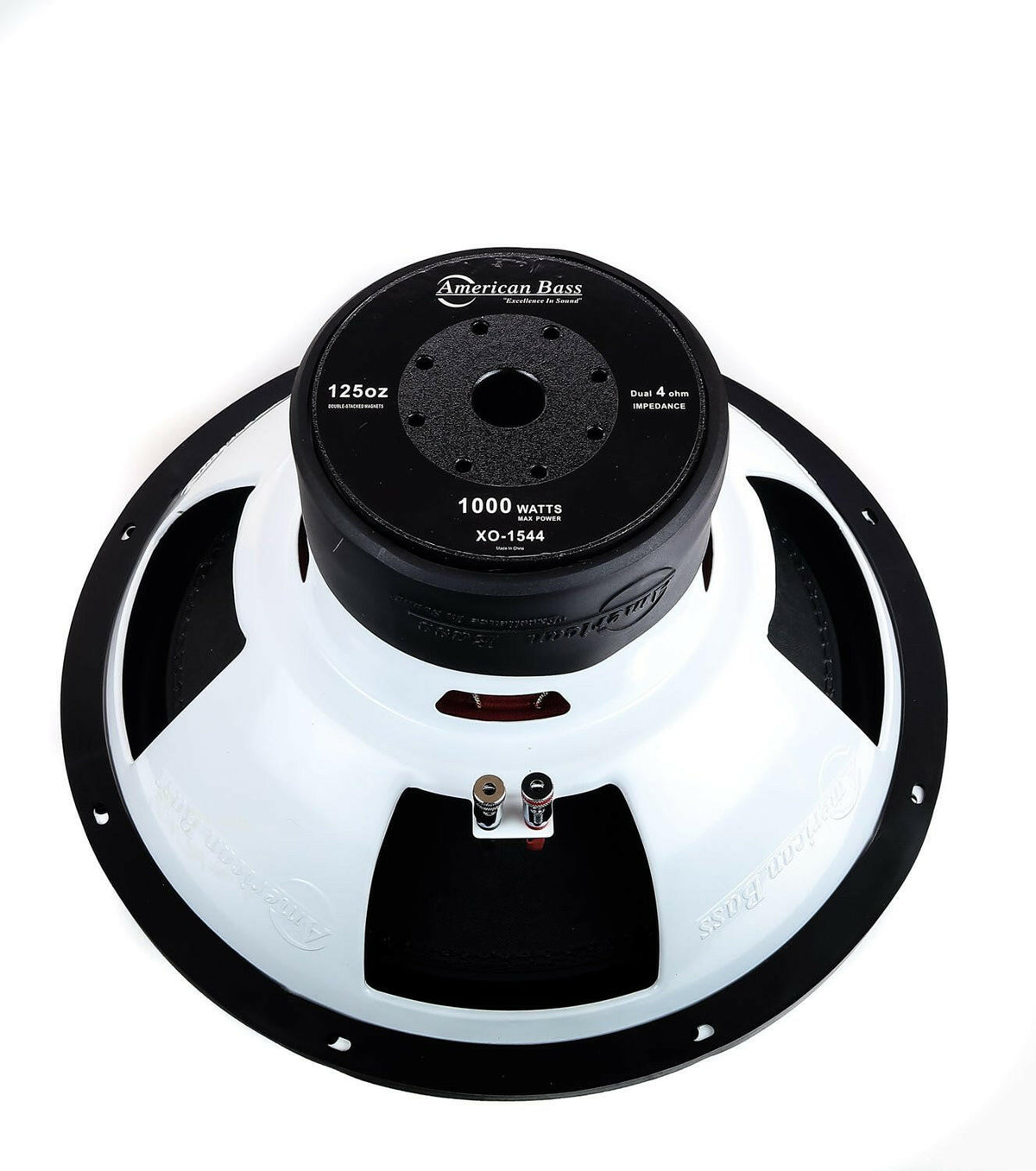


Choosing the Right 15 Inch Subwoofer
A 15 rewards planning. Get the space, power, and wiring right first, and the bass takes care of itself.
Is a 15 Right for Your Vehicle?
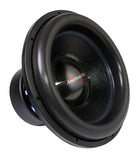
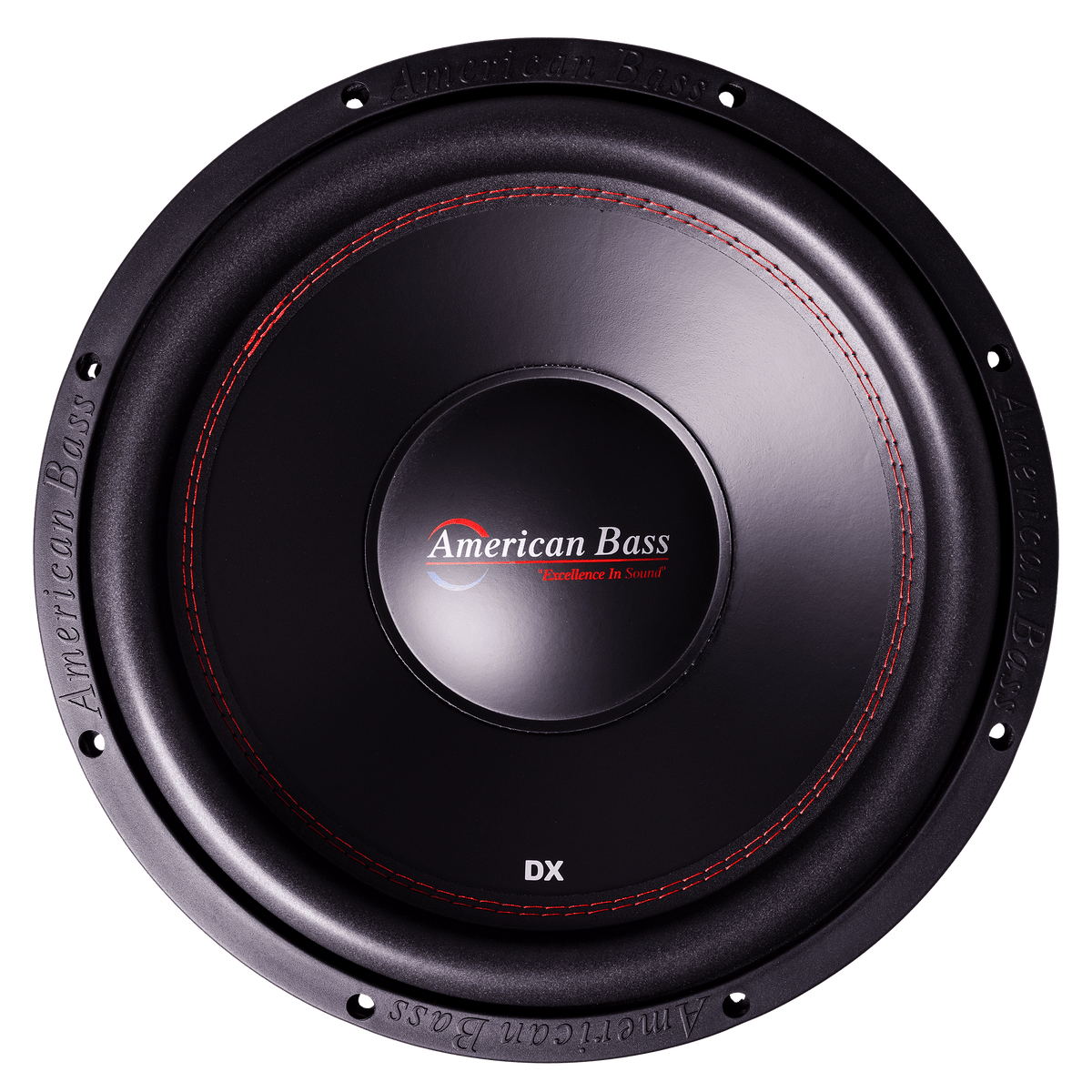
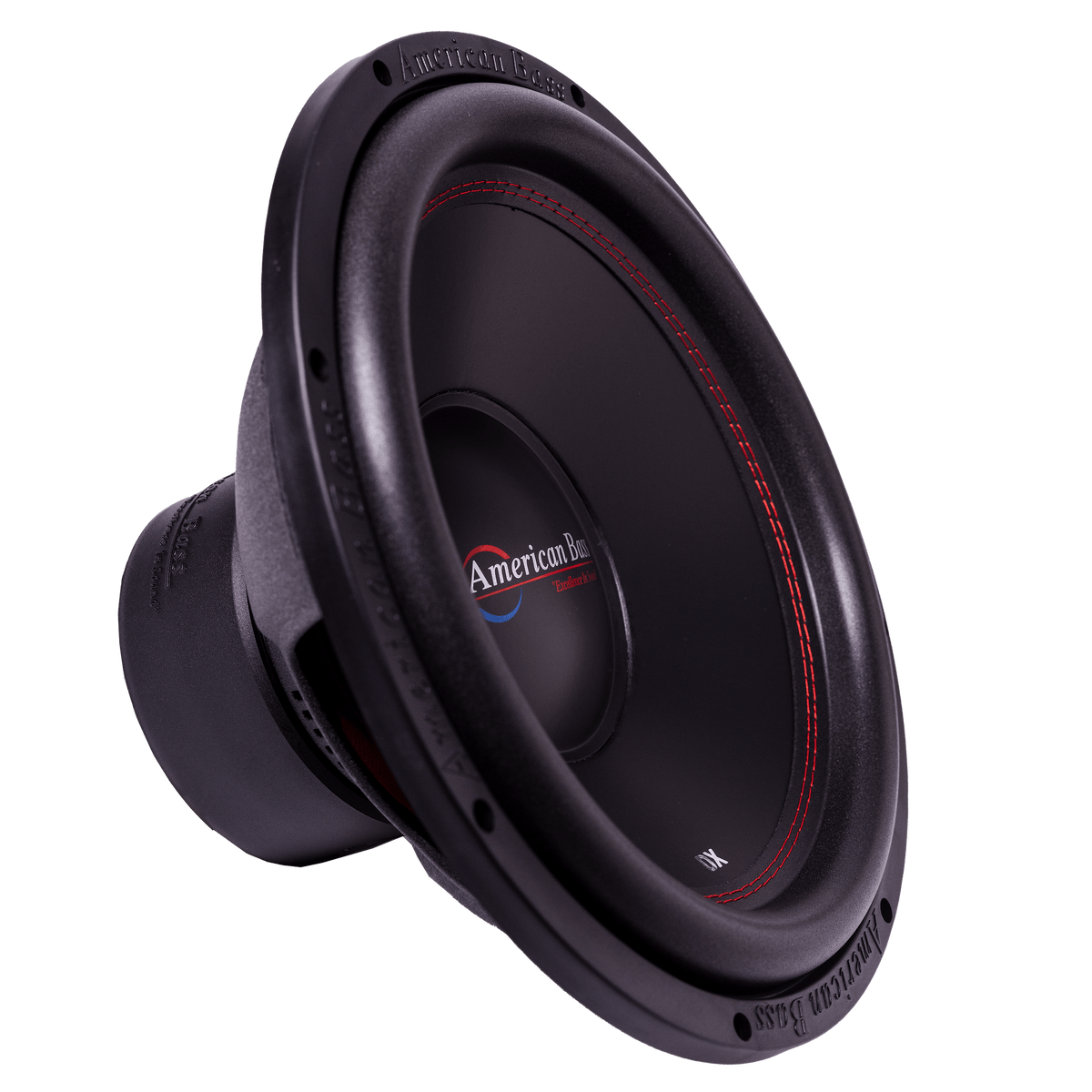
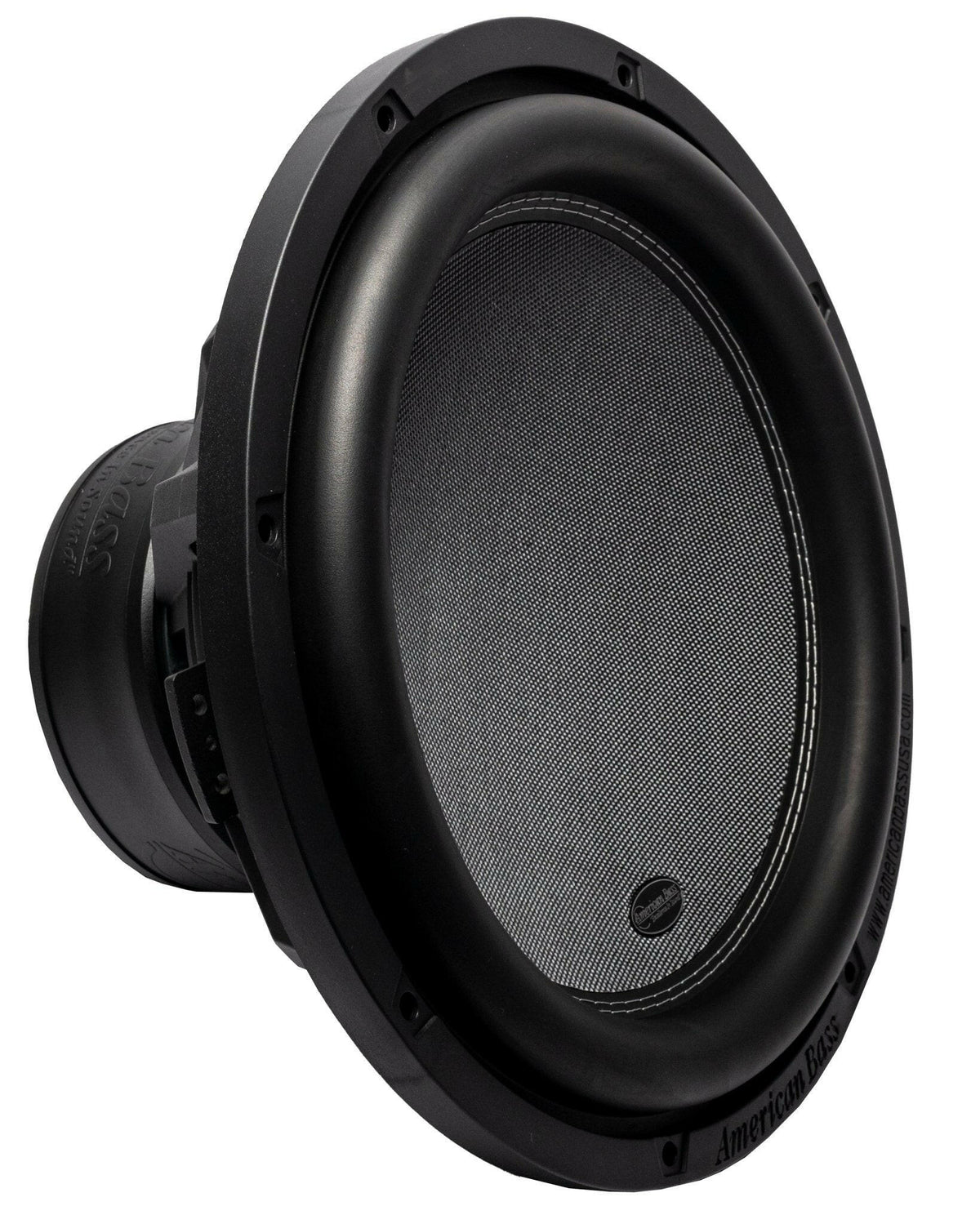
A 15 has about 56% more cone area than a 12. That extra surface is what gives it deep, room-filling output, especially in the lowest octave, where smaller subs have to work much harder to keep up.
The catch is size. A ported single 15 typically wants around three cubic feet of box or more, which suits SUVs, vans, wagons, and trucks with cargo space better than a compact sedan trunk. A 15 makes sense if:
-
Your playlist leans on hip-hop, trap, reggae, or EDM, where low notes carry the track.
-
You have the cargo space for a larger box.
-
Your amp, wiring, and battery can support 500 watts RMS or more.
15 Inch Subwoofers by Power
|
Model |
RMS Power |
Voice Coil |
Best For |
|---|---|---|---|
|
DX 15 |
500W |
Single 4 ohm |
A first 15 on a moderate amp |
|
XO 15 |
500W |
Dual 4 ohm |
Budget builds with wiring options |
|
XD 15 |
1,000W |
Dual 2 or 4 ohm |
Strong daily output |
|
Elite 15 |
1,200W |
Dual 4 ohm |
Big daily bass |
|
TITAN 15 / XFL 15 / HAWK 15 / XR 15 |
1,500W |
Dual 4 ohm, or dual 2 or 4 ohm (varies by model) |
Deep bass on serious power |
|
HD 15 / HD Velocity 15 |
2,000W / 2,200W |
Dual 1 or 2 ohm |
Loud street and demo builds |
|
Godfather 15 / Hurricane 15 |
3,000W |
Dual 1 or 2 ohm |
Competition and SPL |
|
XMAXXX Monster 15 / Godzilla 15 |
4,000W / 4,700W |
Dual 1 or 2 ohm |
High-level SPL |
|
VFL Comp Signature 15 |
5,000W |
Dual 1 or 2 ohm |
Top-tier competition |
|
King 15 |
6,500W |
Dual 1 or 2 ohm |
Our highest-rated 15 |
The best 15 inch subwoofer for you is the one your system can feed cleanly. Our sub-amp matching calculator checks RMS and impedance against our amplifier lineup in seconds.
Best 15 Inch Subwoofer for Deep Bass
For the best 15 inch subwoofer for deep bass in a daily driver, a 1,500-watt model like the XFL 15 or HAWK 15 in a ported box tuned low is the sweet spot. It digs deep without needing competition-level electrical.
Want more than deep? Our competition group is where you'll find the loudest 15 inch subwoofer options we build: Godfather, Hurricane, Godzilla, the VFL Comp Signature 15, and King. Each competition 15 inch subwoofer uses dual 1 or 2 ohm coils and a heavy motor designed for SPL. If you want the hardest hitting 15 inch subwoofer for a demo build, the King 15 tops our range at 6,500 watts RMS. Our SPL estimator shows what your setup could reach before you spend.
Dual 15 Inch Subwoofer Builds
Two 15s is the classic build you feel from across the parking lot. A dual 15 inch subwoofer setup doubles cone area, and with dual voice coils you can wire the pair to the impedance your amplifier handles best. Check the final load with our impedance calculator and follow a ready-made layout from our subwoofer wiring diagrams.
Plan the electrical before install day. Two high-power 15s will expose a weak battery or thin power wire fast, and our electrical load calculator shows whether you need a Big 3 upgrade or a second battery.
Sealed Enclosure or Ported?
A 15 inch subwoofer sealed enclosure delivers tight, controlled bass in a smaller footprint than a ported box, and it handles fast bass lines well. Ported boxes play louder and lower but need noticeably more space. Get the volume right for your exact model with our subwoofer box calculator.
15 Inch Subwoofer Package or Powered Sub?
A 15 inch powered subwoofer with a built-in amp does exist, but the onboard amplifier rarely matches what a 15 can actually handle. If you want a powered-style setup that is simple to install, the stronger route is a 15 inch subwoofer package. Our Power Pack bundles pair two 15s with a matched amplifier, so the RMS and impedance math is already done.
Prefer to build your own? Pick a 15, find the matching amp, then add a box and an amp wiring kit. Our Build Designer puts the whole system together in one place.
What About a Shallow 15?
A true shallow mount 15 inch subwoofer is a hard engineering ask, because a cone this large needs depth to move. If mounting depth is your limit, a shallow 15 inch subwoofer is rarely the best answer. A shallow-mount 12 like the HAWK Slim 12 will usually deliver more usable bass in the space you actually have. See our 12 inch subwoofers for shallow options.
Why American Bass 15s
Every American Bass 15 inch subwoofer comes from a team that has built bass in Twinsburg, Ohio, for over 35 years. Real RMS ratings, published impedance options, and free planning tools mean fewer surprises on install day. If you would rather have a pro wire it up, our installer finder points you to shops nearby.
FAQS
Is a 15 inch subwoofer too big for a car?
Not for most SUVs, vans, wagons, and trucks with cargo space. In a small sedan trunk, the box a 15 needs can take up most of the room, so a 12 is often the better fit.
How much power does a 15 inch subwoofer need?
Match the amp's RMS output at your final impedance to the sub's RMS rating. Our 15s run from 500 to 6,500 watts RMS, and most daily builds sit between 500 and 1,500.
Is a 12 or 15 better for deep bass?
A 15 moves more air, so it reaches the lowest notes with less strain. A 12 is tighter and fits more vehicles. If deep bass is your top priority and you have the room, go 15.
Do I need a Big 3 upgrade for a 15 inch subwoofer?
Many vehicles cope with stock electrical below roughly 1,000 watts RMS. Above that, or with two 15s, a Big 3 upgrade and a stronger battery help keep voltage stable and protect your amp. Our electrical load calculator gives a clearer answer for your setup.
Should I put a 15 in a sealed or ported box?
Sealed gives tighter, more accurate bass in a smaller box. Ported gives more output and deeper extension but takes more space. Most people buying a 15 for deep bass choose ported.
Can I run two 15s on one amplifier?
Yes. Use dual voice coil subs, wire them to a final impedance your monoblock amp is stable at, and make sure the amp's RMS output covers both subs combined.
What makes a competition 15 different?
Competition 15s use heavier motors, larger voice coils, and stronger suspensions so they survive thousands of watts. They also use low-impedance coils (1 or 2 ohm), which suit high-power monoblock amplifiers.
EXPLORE OTHER SUBWOOFER
Shop other subwoofer sizes to find the perfect fit for your system.