

Choosing the Right Monoblock Amplifier
A mono amp is the simplest amp in car audio, and also the easiest one to get wrong. The power rating, the impedance and your electrical system all have to agree. Here is how to get it right the first time.
Match the RMS to Your Subwoofers
The right amp for your car subwoofer starts with one number. Add up the RMS rating of every sub you plan to run. That total is your target. Look for a car amplifier mono design that delivers that much RMS, or slightly more, at your final impedance.
Ignore the peak number printed on the box. Peak is a short burst the amp cannot sustain. RMS is the continuous power your subs actually get, and it is the only number that tells you whether a pairing works.
| Your build | Total sub RMS | Monoblock RMS to look for* |
| One 10-inch or 12-inch daily sub | 300 to 600 W | 400 to 800 W |
| One high-output 12-inch or 15-inch sub | 1,000 to 1,500 W | 1,000 to 2,000 W |
| Two 12-inch subs | 1,500 to 2,500 W | 2,000 to 3,000 W |
| SPL or competition build | 3,000 W and up | 3,000 W and up |
*Rated at your final impedance.
A little headroom is healthy when the gain is set correctly. Too little power is the bigger risk. An amp pushed into clipping sends a distorted signal that cooks voice coils fast.
Know Your Final Impedance
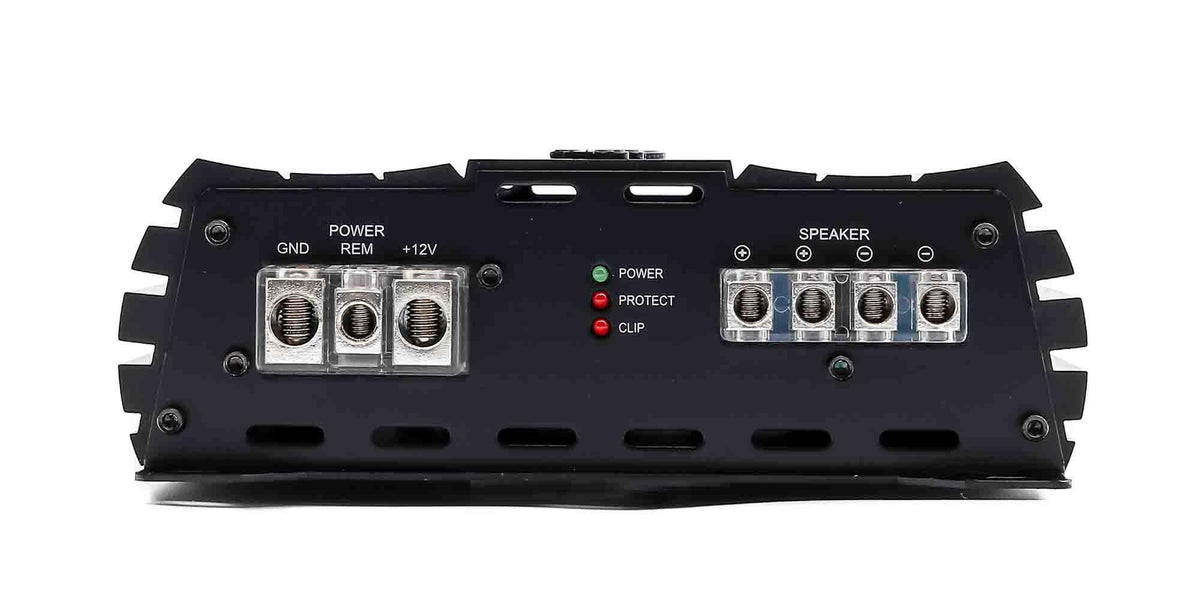
A monoblock makes different power at different loads. The same amp can make two to three times more power at 1 ohm than it does at 4 ohms, so your wiring decides what you really get.
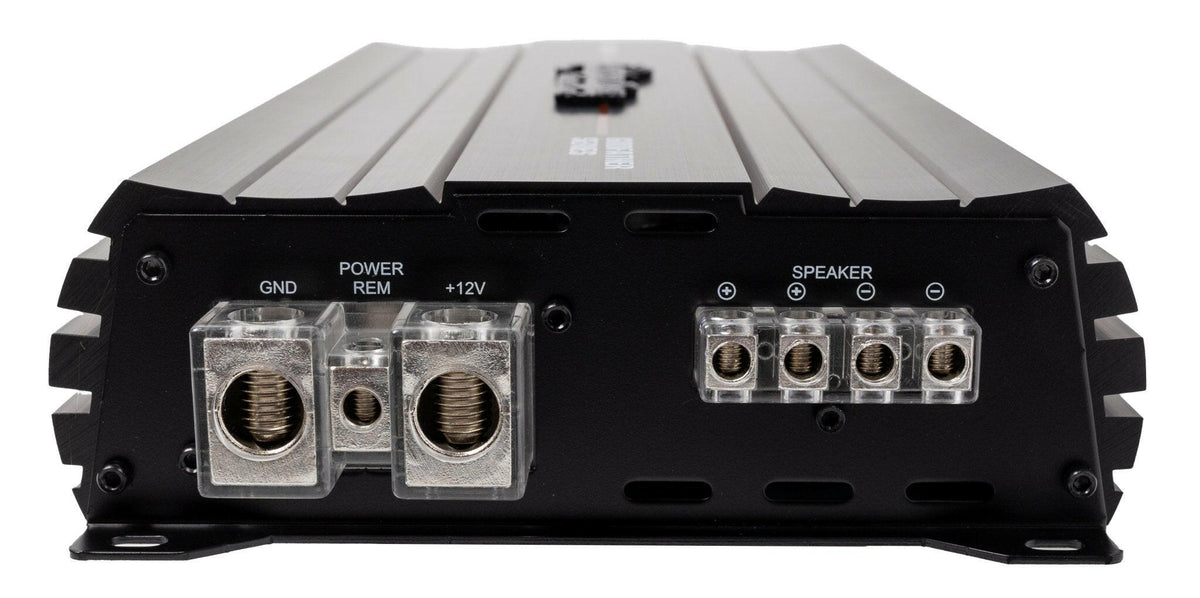
Dual voice coil subs give you options. One dual 4-ohm sub wires to 2 ohms or 8 ohms. Two dual 4-ohm subs wire to 1 ohm or 4 ohms. Always confirm the amp is stable at the load you choose. Our subwoofer wiring diagrams and impedance calculator show every combination. Our guide to single vs dual voice coil subwoofers explains how each choice changes your wiring.
Why Class D Leads for Bass
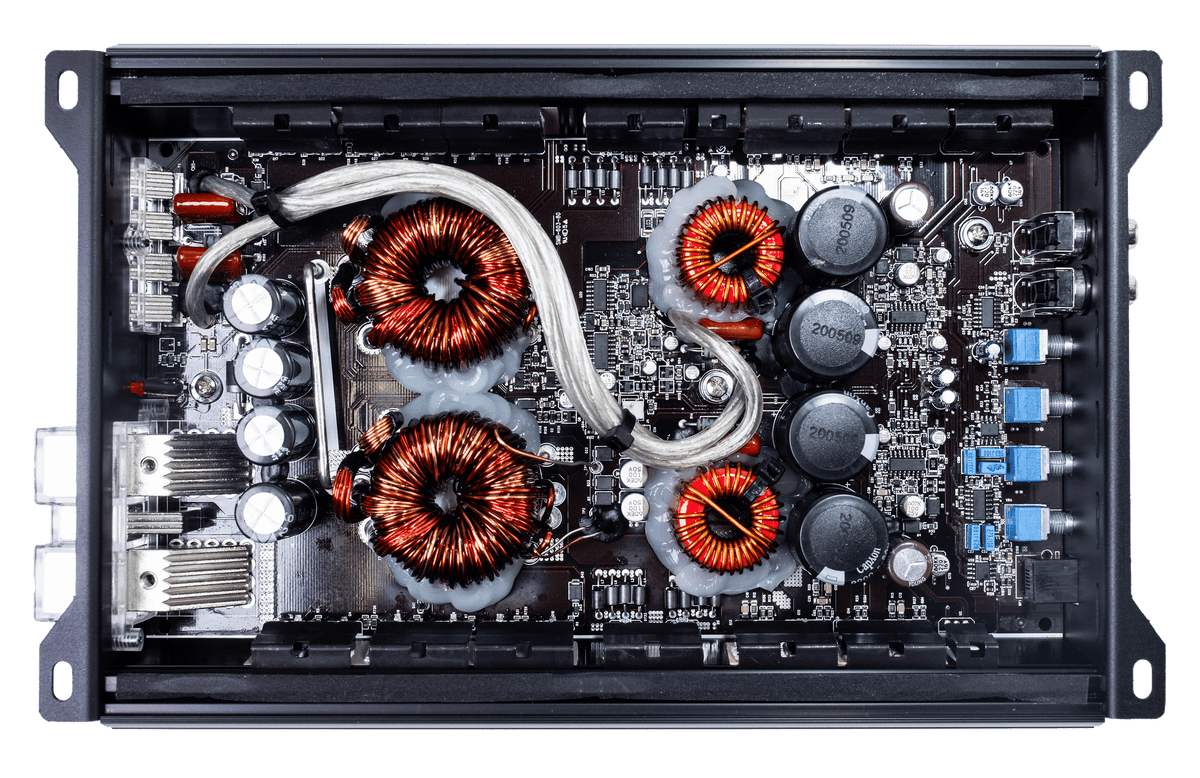
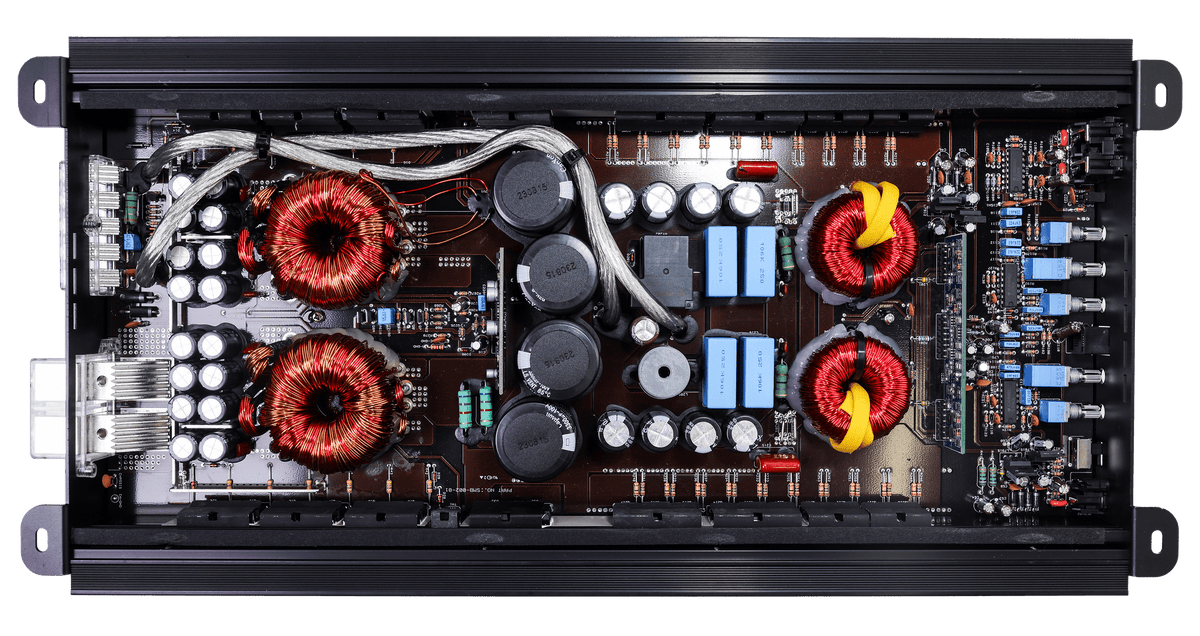
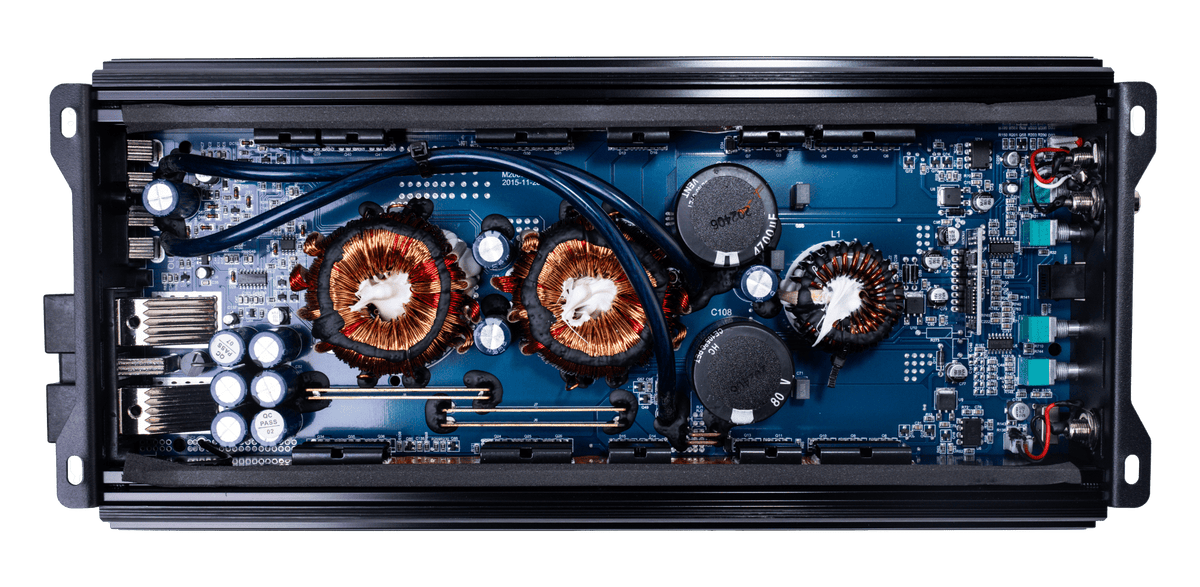
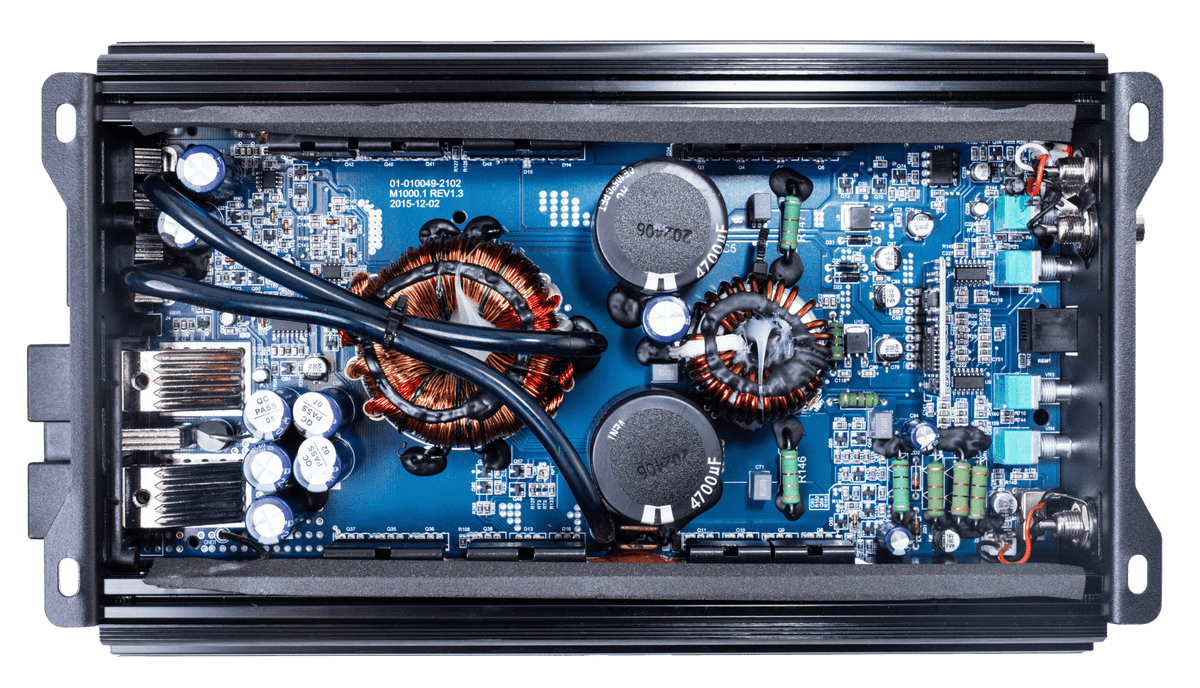
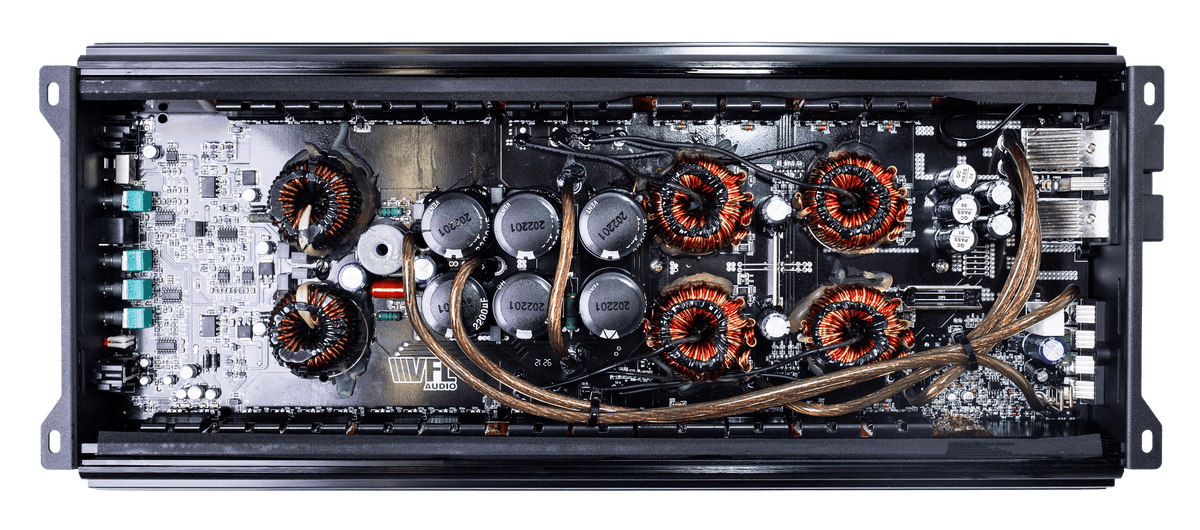
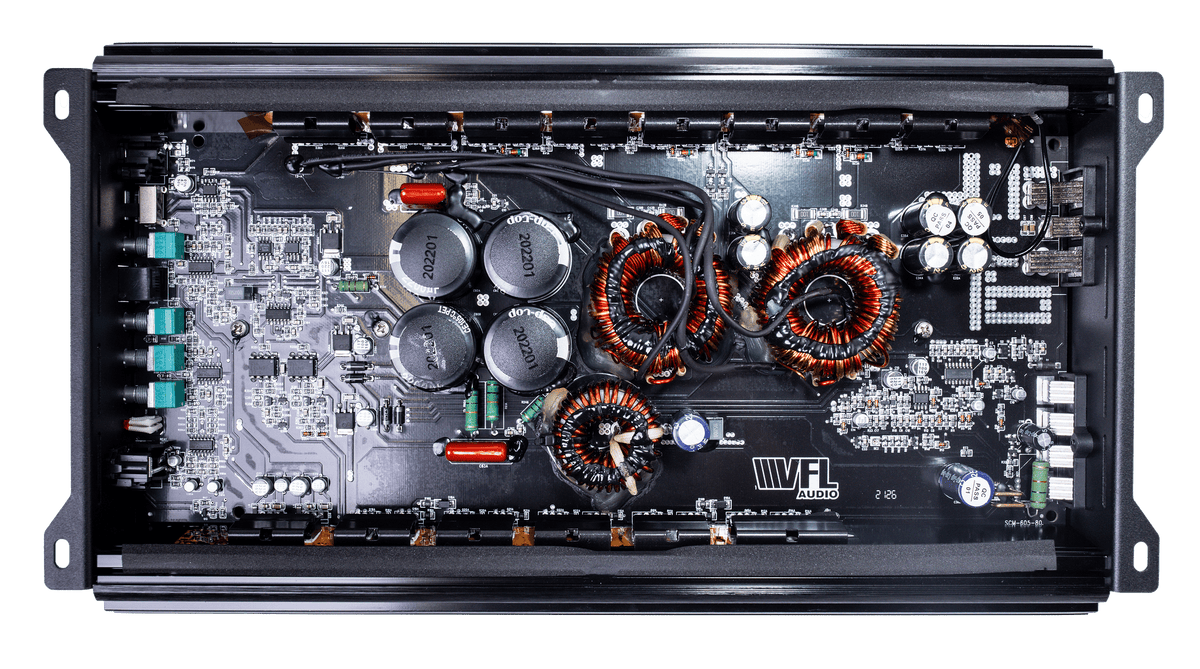
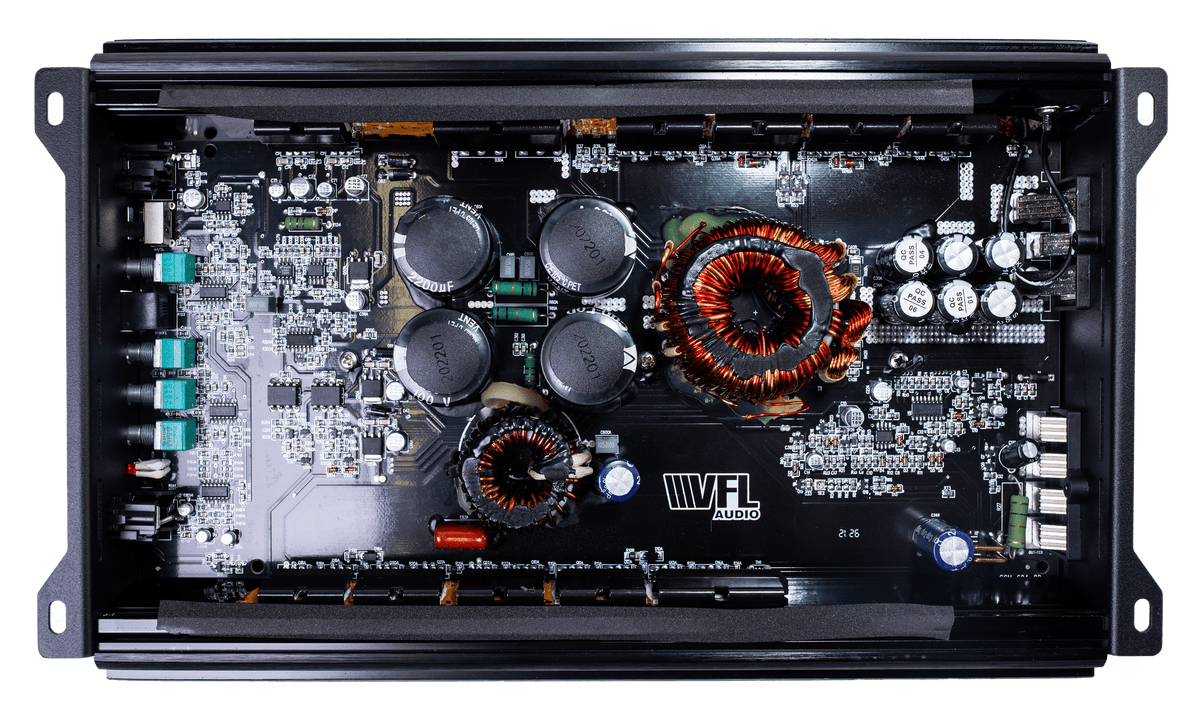
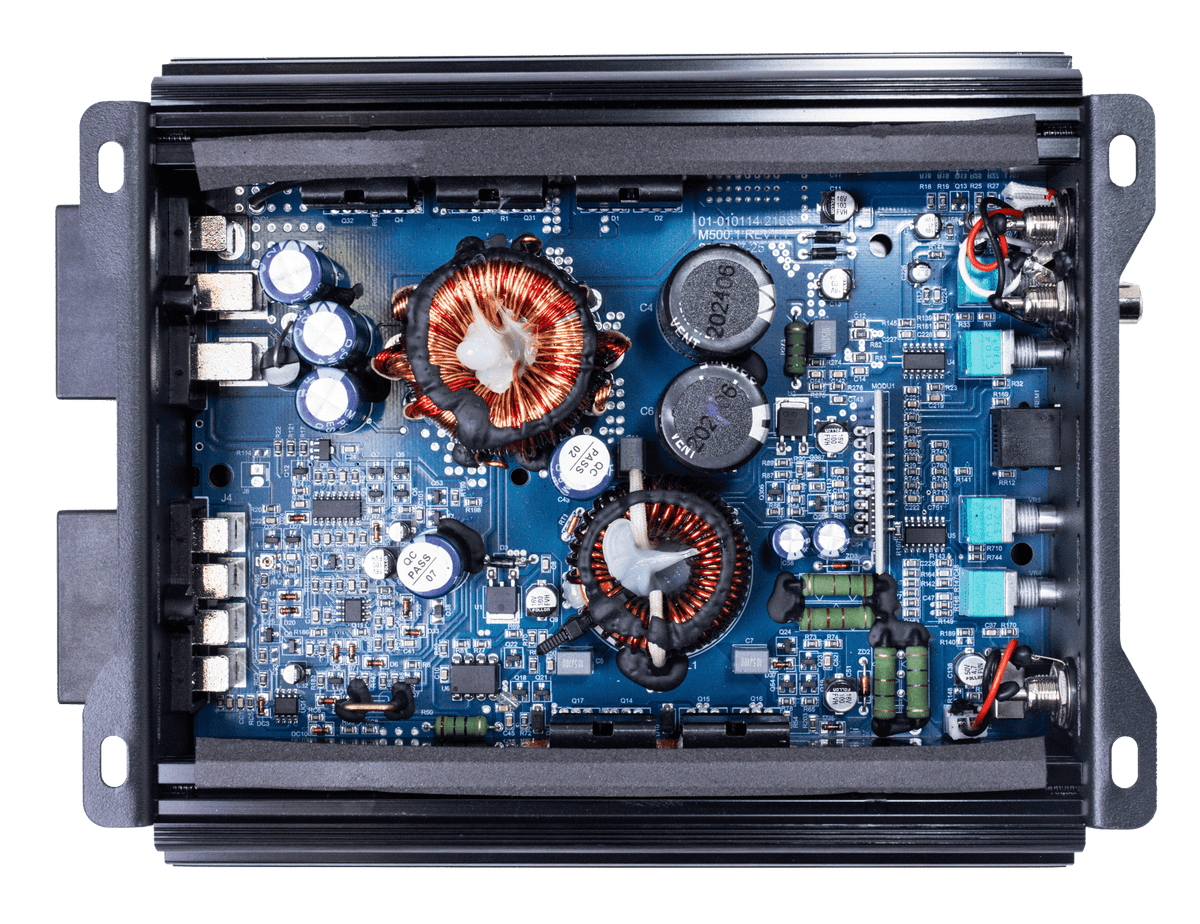
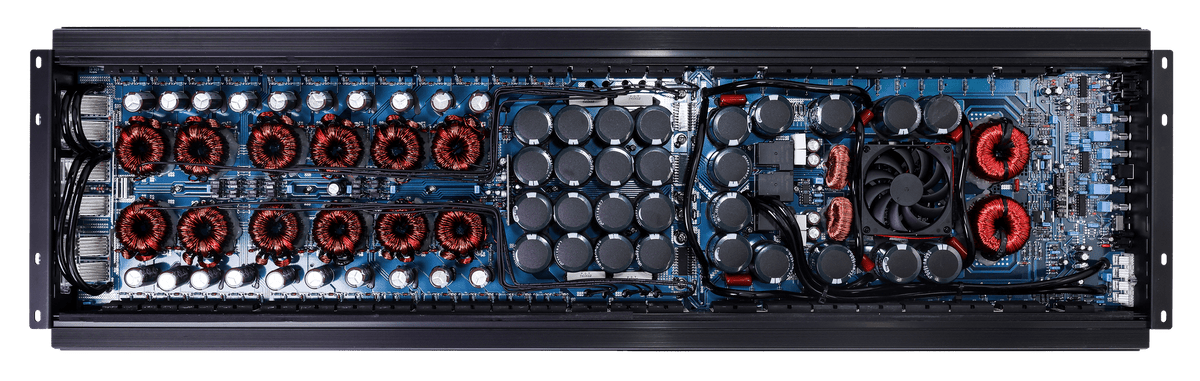
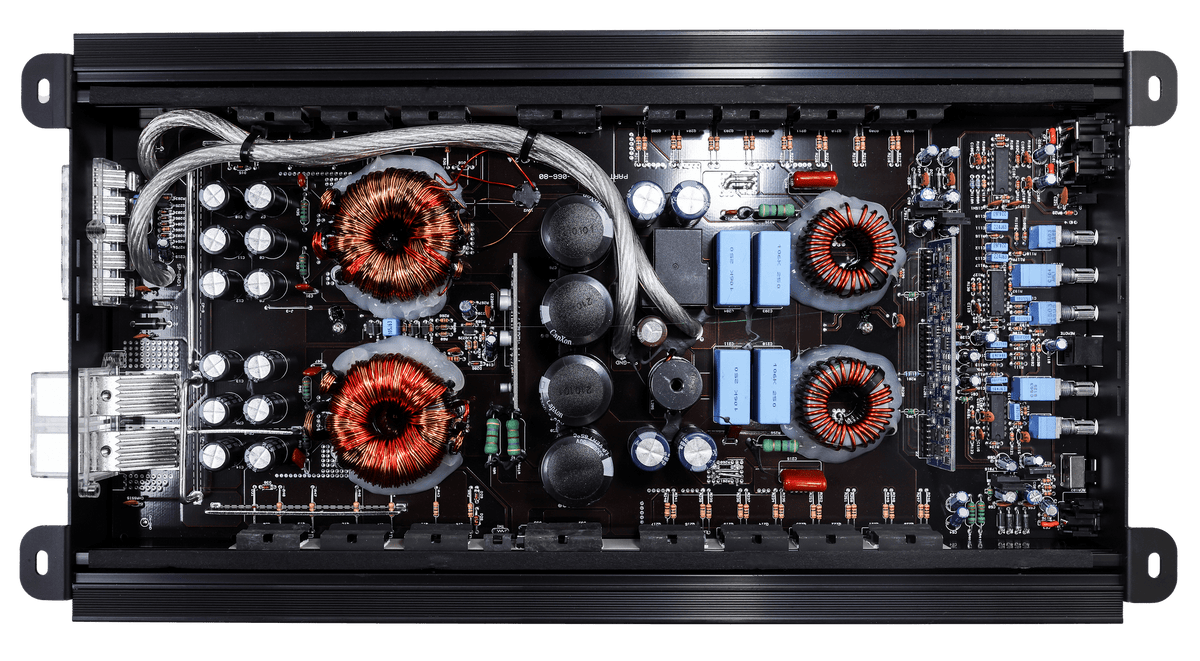
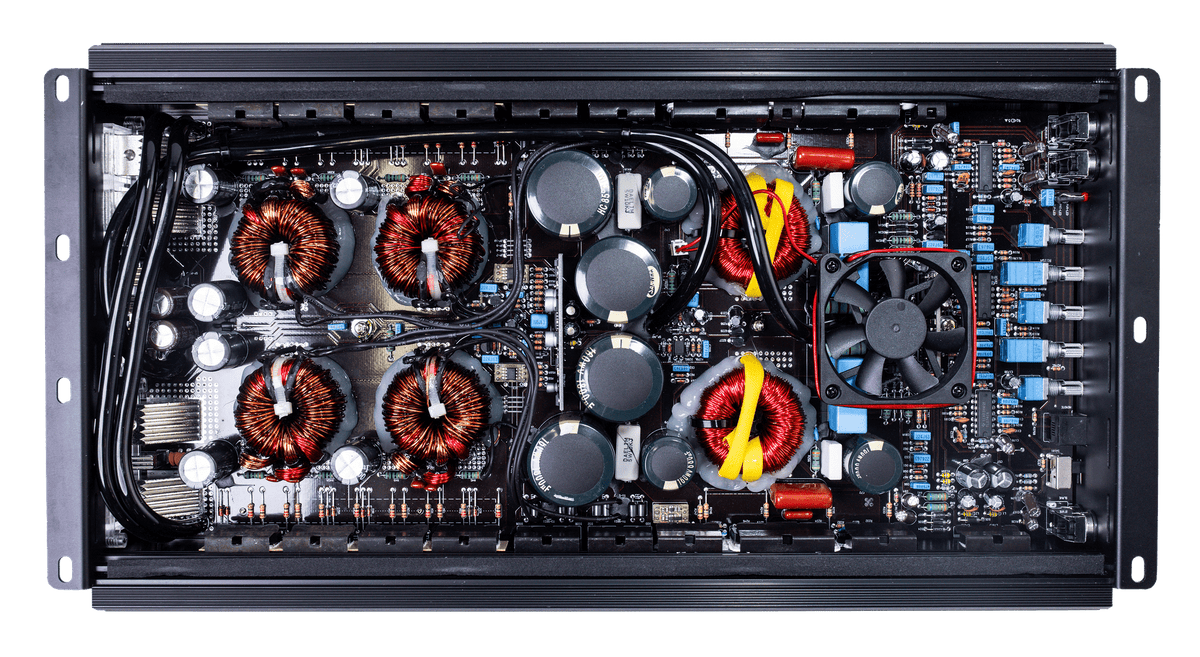
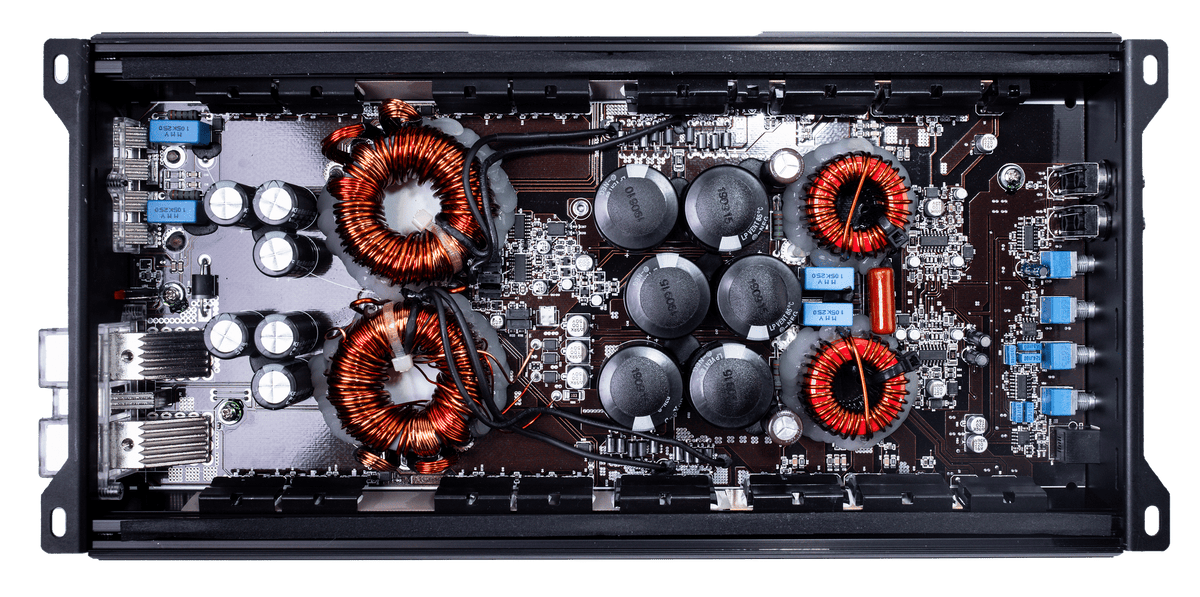
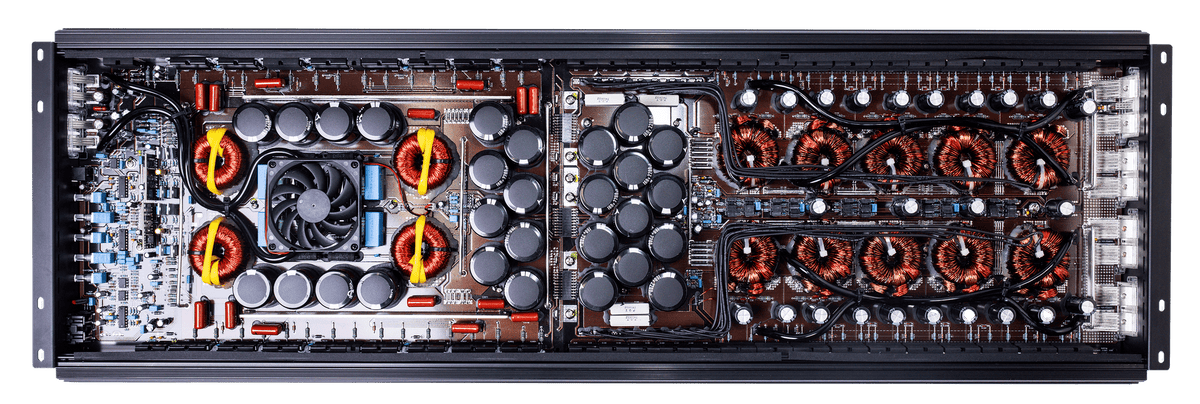
Nearly every modern monoblock amp is Class D, and for good reason. It turns more of your battery’s current into output and less into heat. That means a cooler amp in a smaller chassis, one that fits under a seat, behind a rear bench or on a trunk wall.
Class AB still has a place in full-range sound quality builds, which is why it shows up more often on multichannel amps. Our breakdown of Class D vs Class AB car amplifiers covers the tradeoffs.
Plan Your Electrical System
Serious bass pulls serious current. As a rough guide, a 3,000-watt RMS Class D amp can draw 250 amps or more at full output. A stock alternator and battery were never designed for that load. Past roughly 1,000 watts RMS, plan these upgrades alongside your amp:
- Correctly sized power wire. Match cable gauge to current draw and run length with our power wire calculator.
- The Big 3 upgrade. Heavier cables between the alternator, battery, chassis and engine block help your system hold voltage.
- More battery reserve. An AGM battery or lithium battery keeps voltage up through long bass notes.
Check what your complete build needs with our electrical load calculator.
Set Gain, Bass Boost and Subsonic Filters
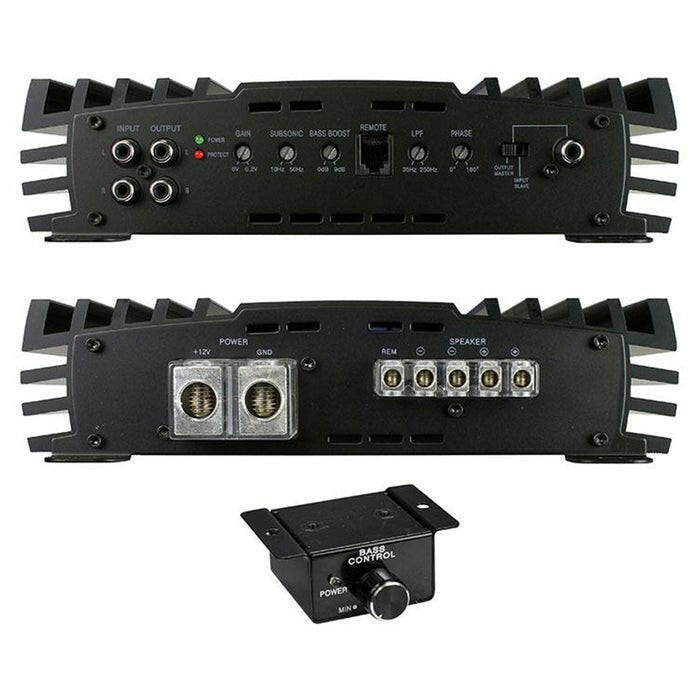
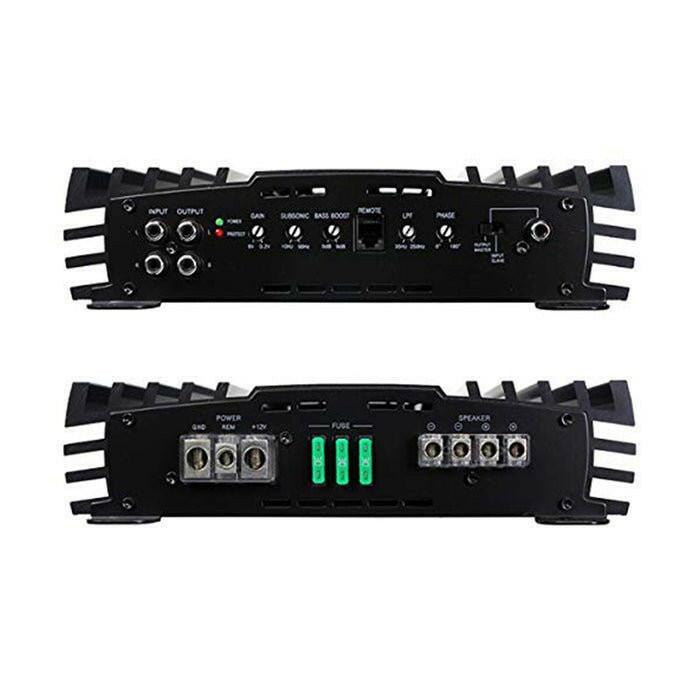
Gain matches the amp’s input to your radio’s signal. It is not a volume knob, and cranking it is the fastest way to clip a monoblock. Set it with a test tone or our amp gain calculator, then leave it alone.
Go easy on bass boost. It lifts a narrow band of frequencies and eats into your headroom. Running a ported box? If your amp has a subsonic filter, set it a few hertz below the box tuning so the sub does not over-travel on notes below it.
Why Buy Monoblock Amps From American Bass
We have been building car audio out of Twinsburg, Ohio for over 35 years, with roots in competition lanes like dB Drag Racing, USACi and MECA. That bass-first history shapes every 1 channel amplifier we sell.
- Honest power ratings. True RMS at each impedance, listed on every product page.
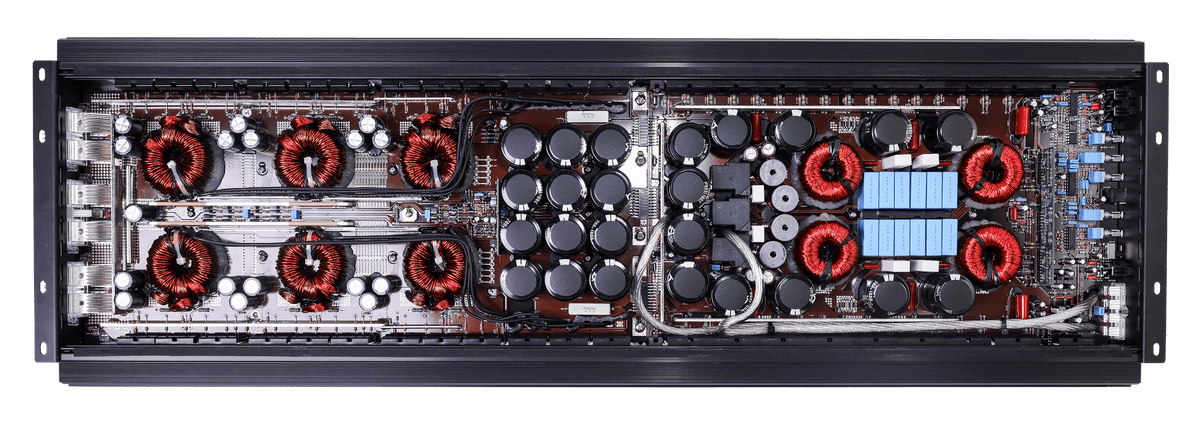
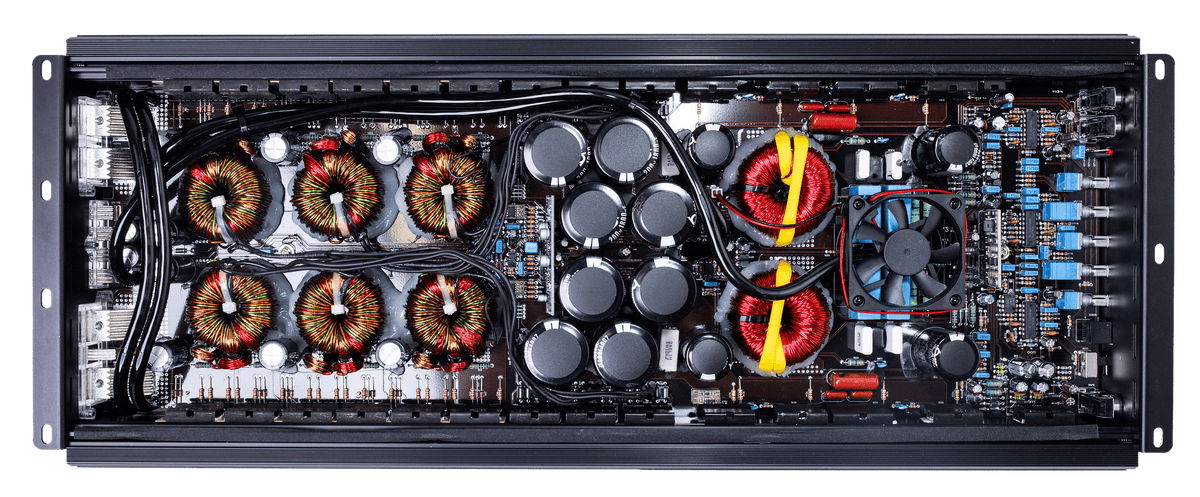
- Power supplies built for bass. Designed to keep output steady when voltage sags on long notes.
- Free tools. Matching, wiring, gain and electrical calculators that take the guesswork out of your build.
- Free shipping over $100. Plus hassle-free 30-day returns and a 1-year warranty on new amps.
- Support that answers. Our team is available Monday through Friday, and our installer finder connects you with a shop near you.
Find the Series That Fits Your Build
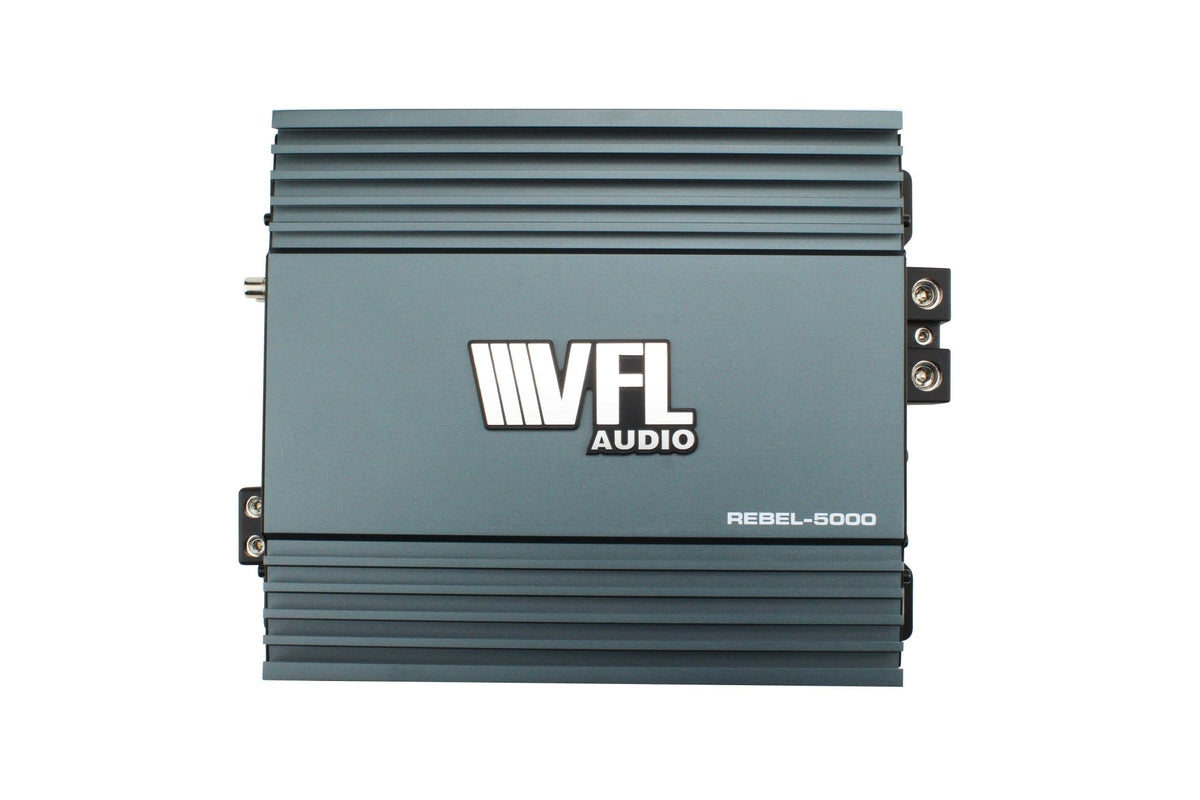
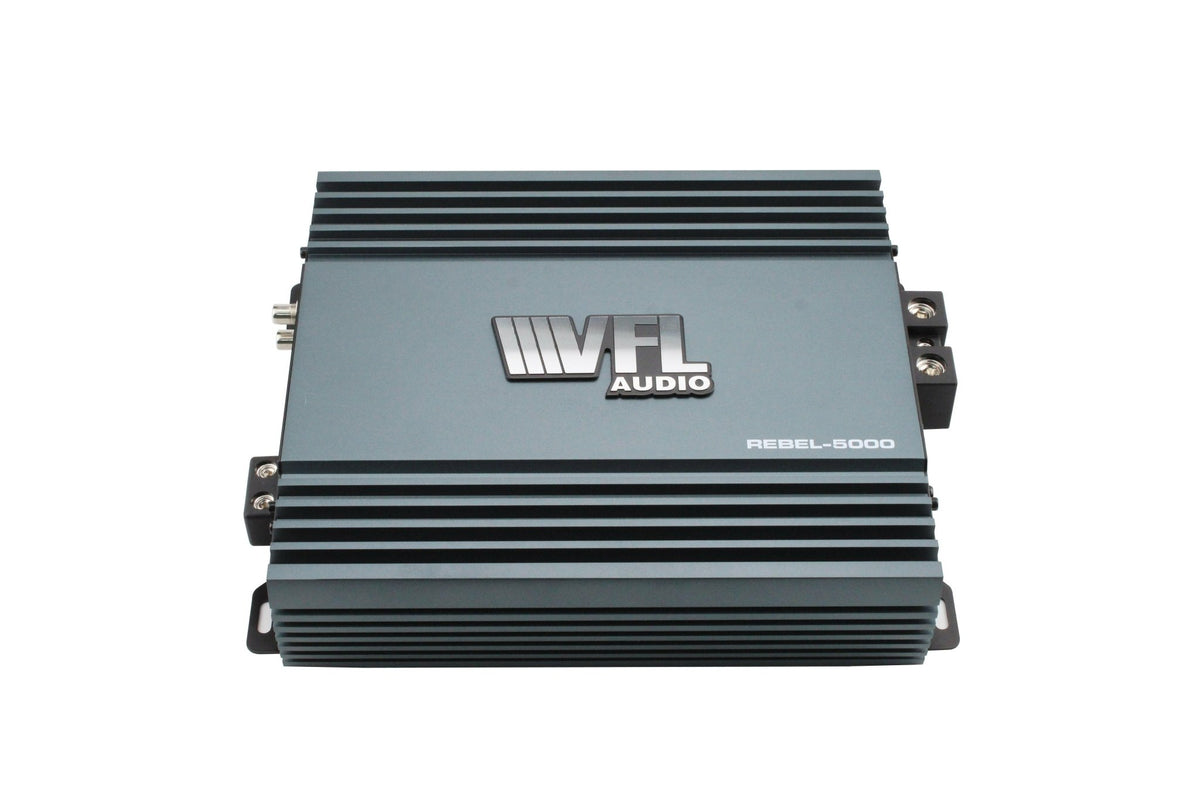
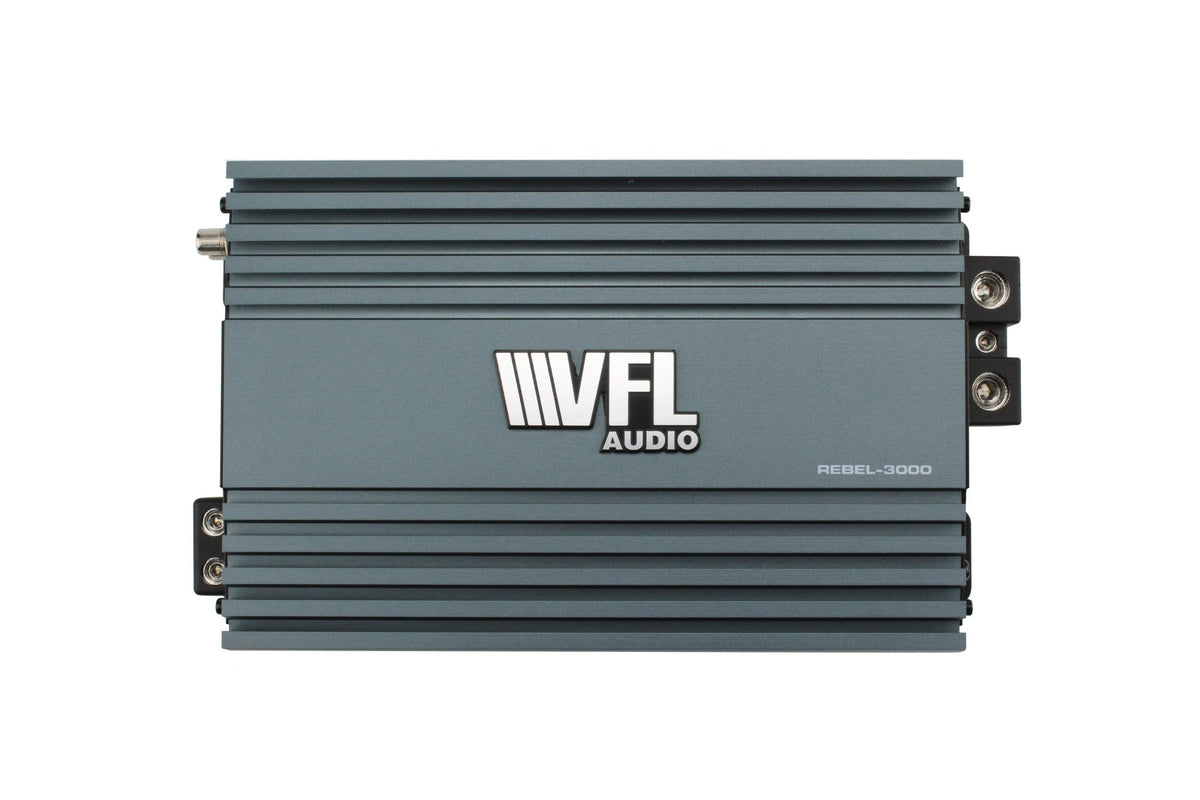
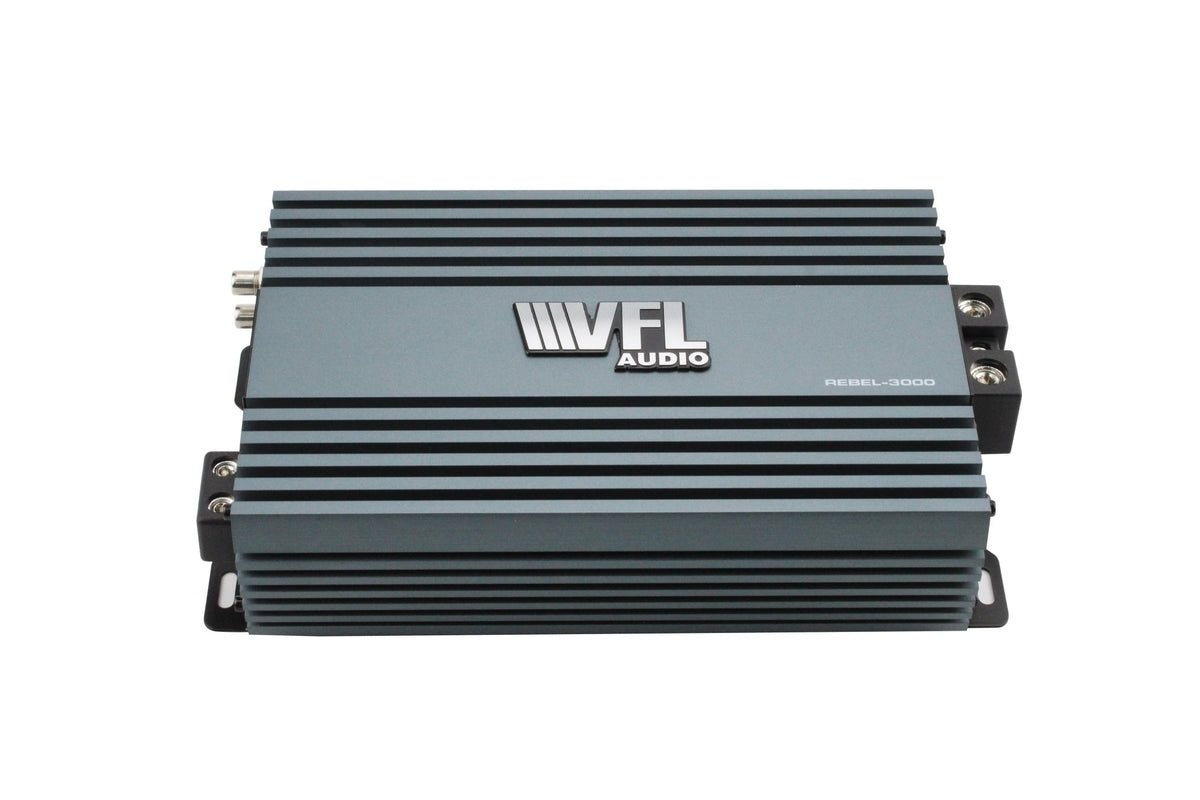
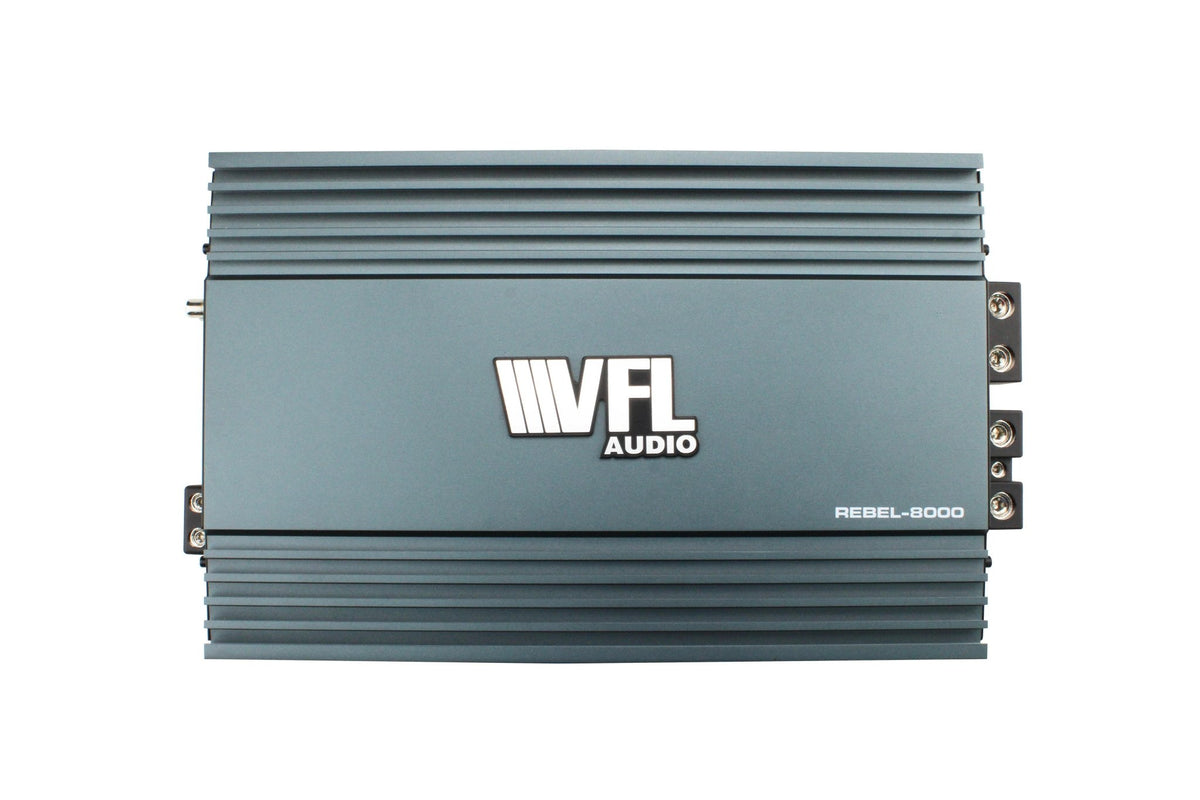
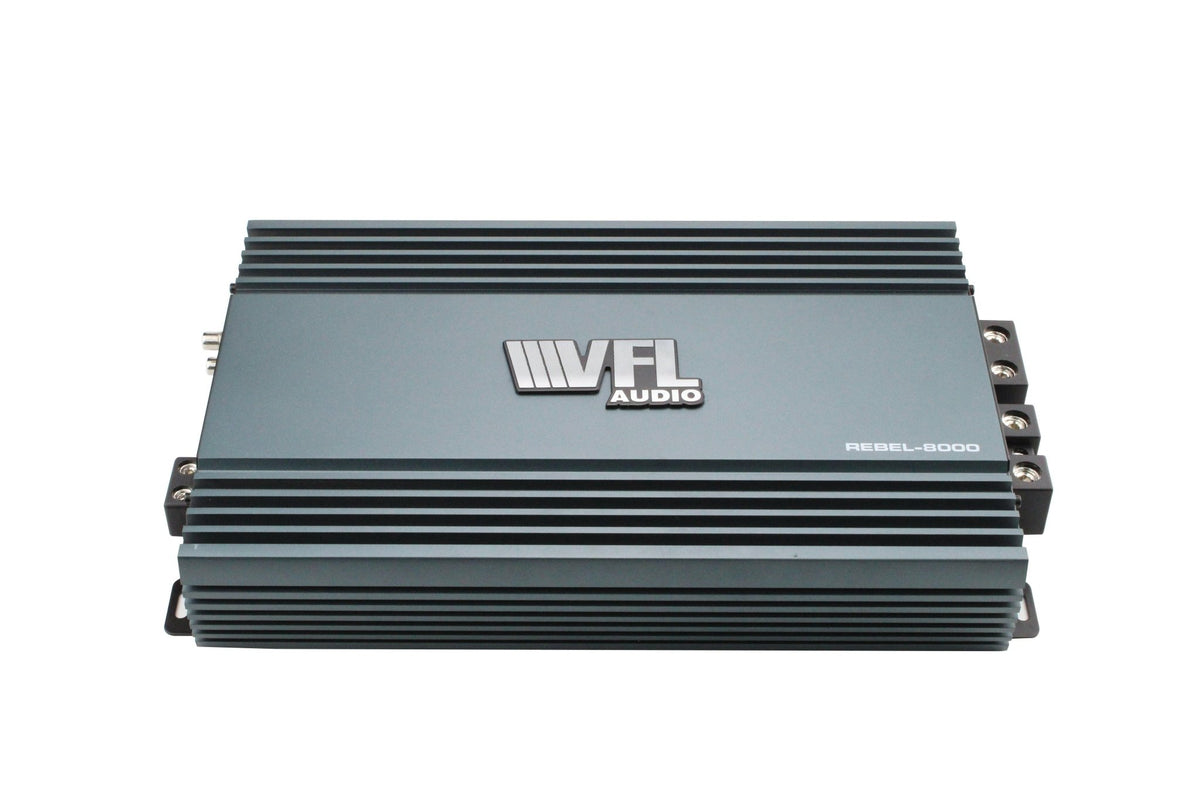
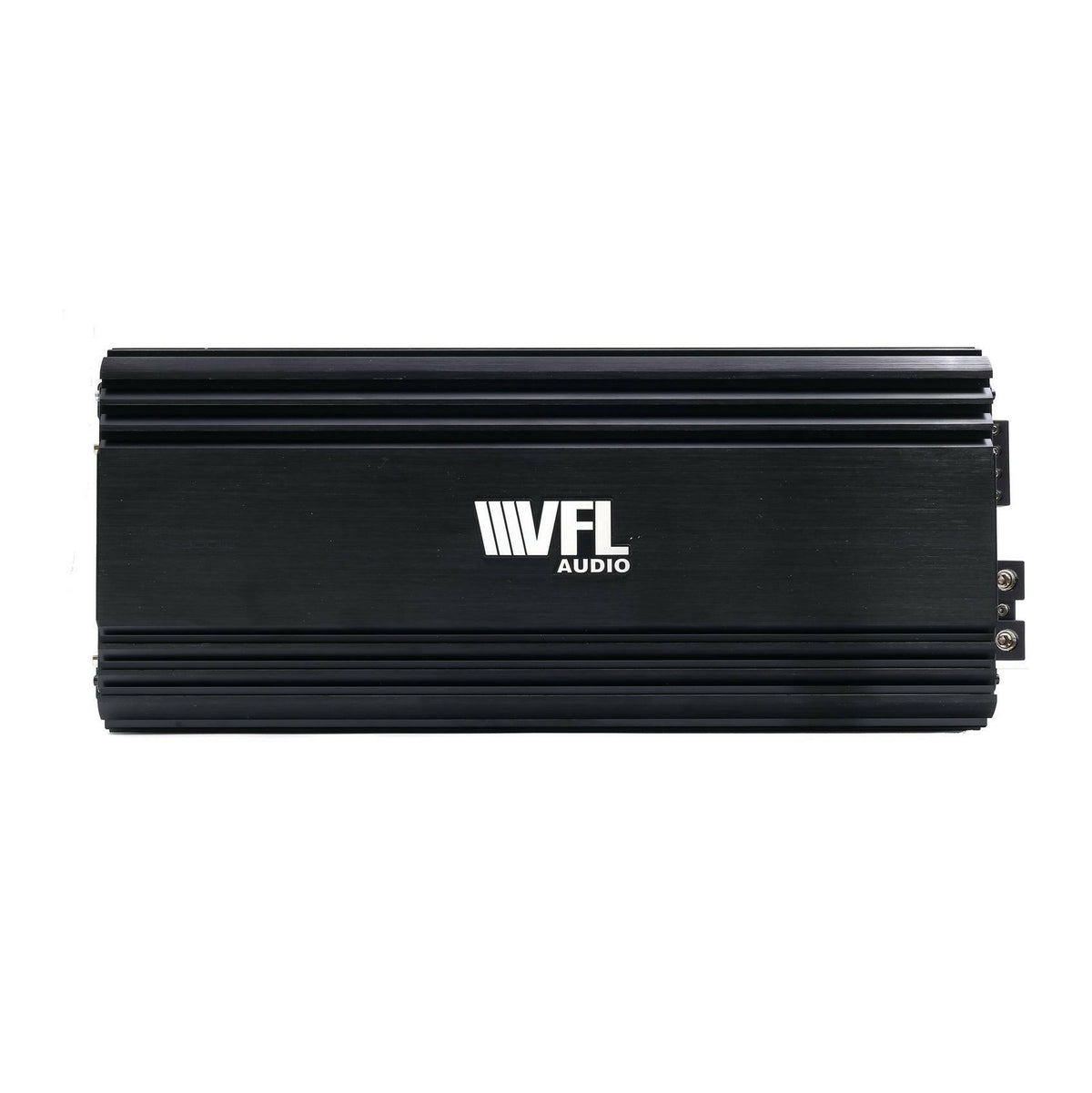
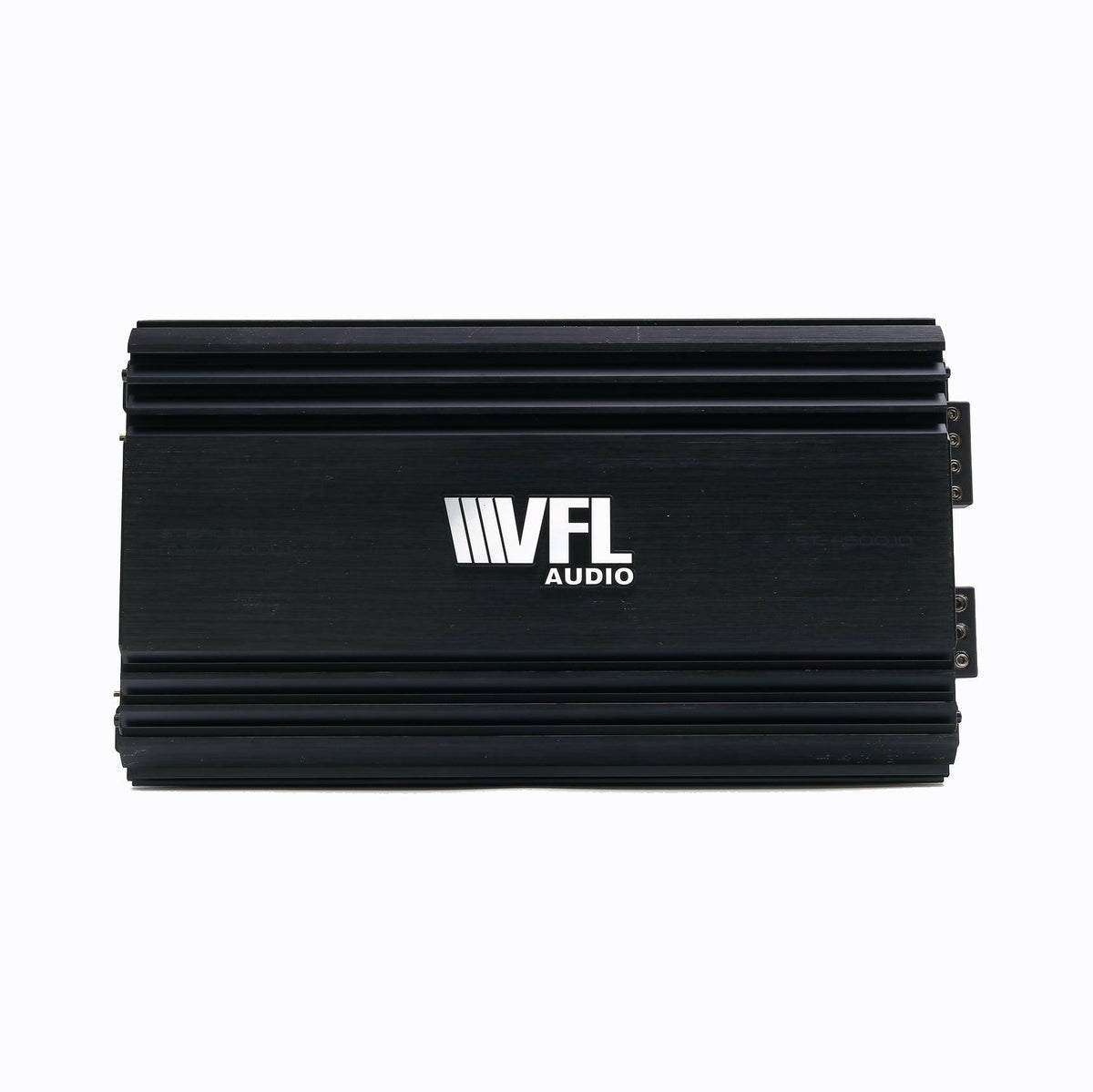
- VFL REBEL Series. Compact Class D monoblock amplifiers sized for daily drivers and tight installs.
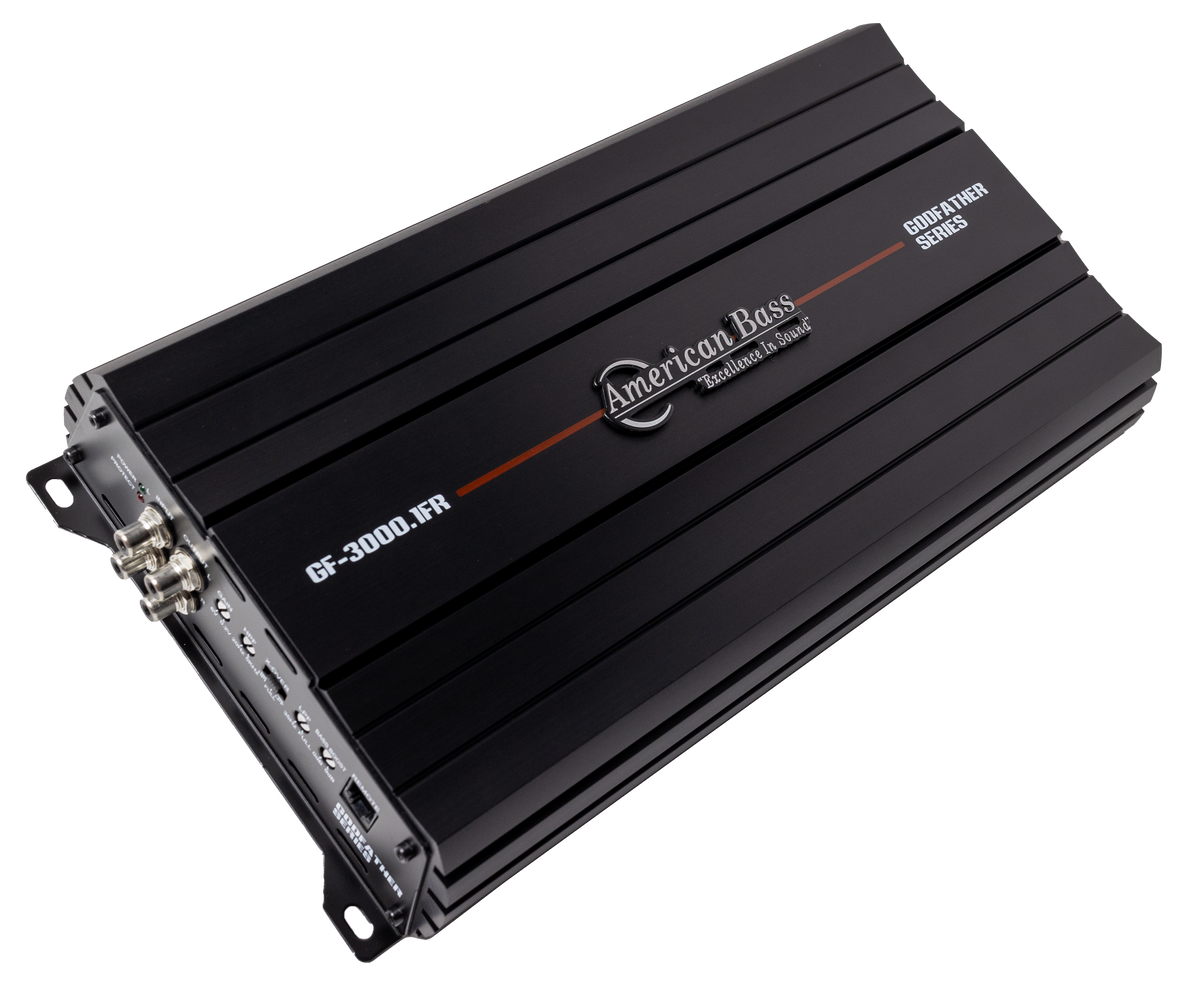
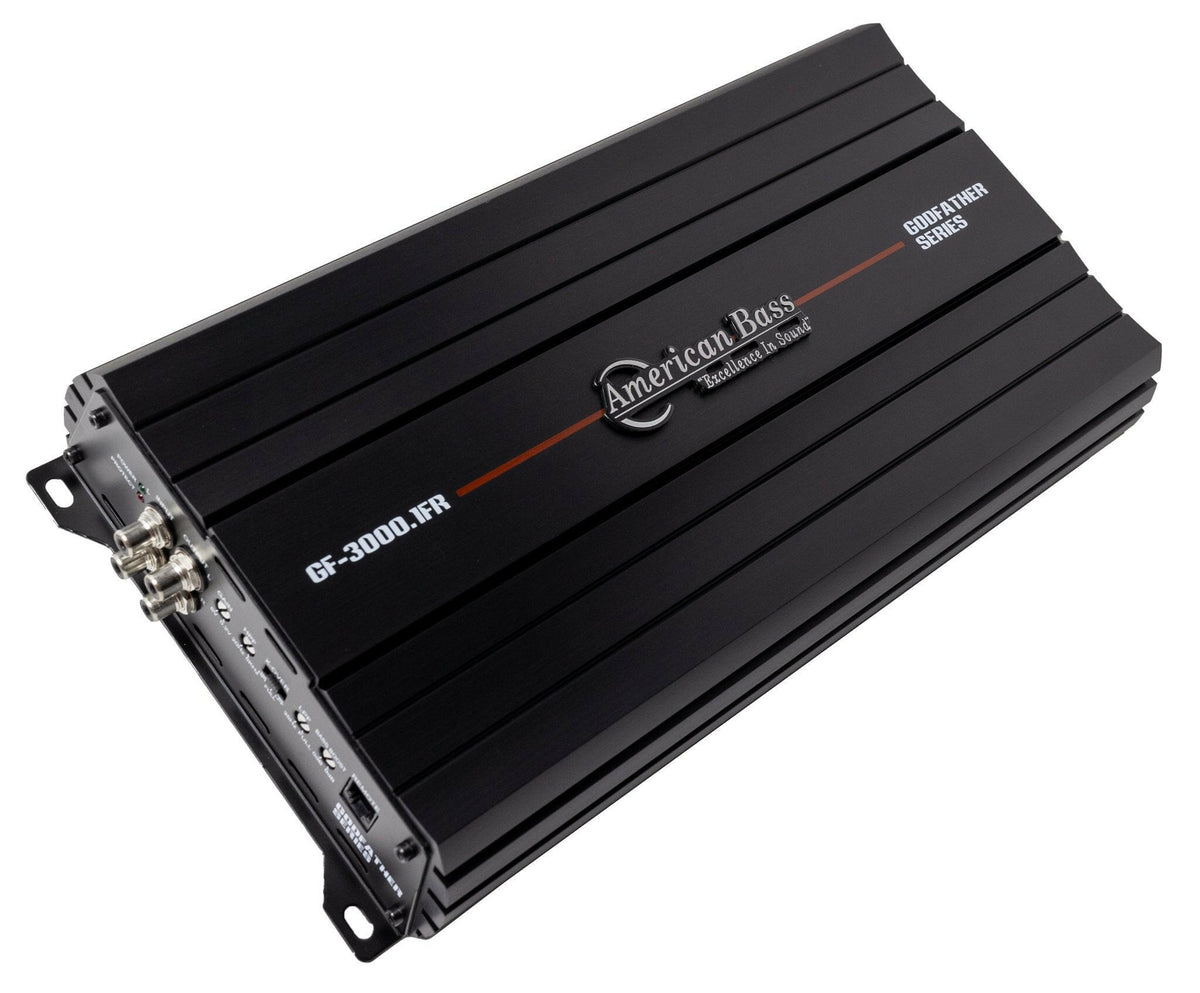
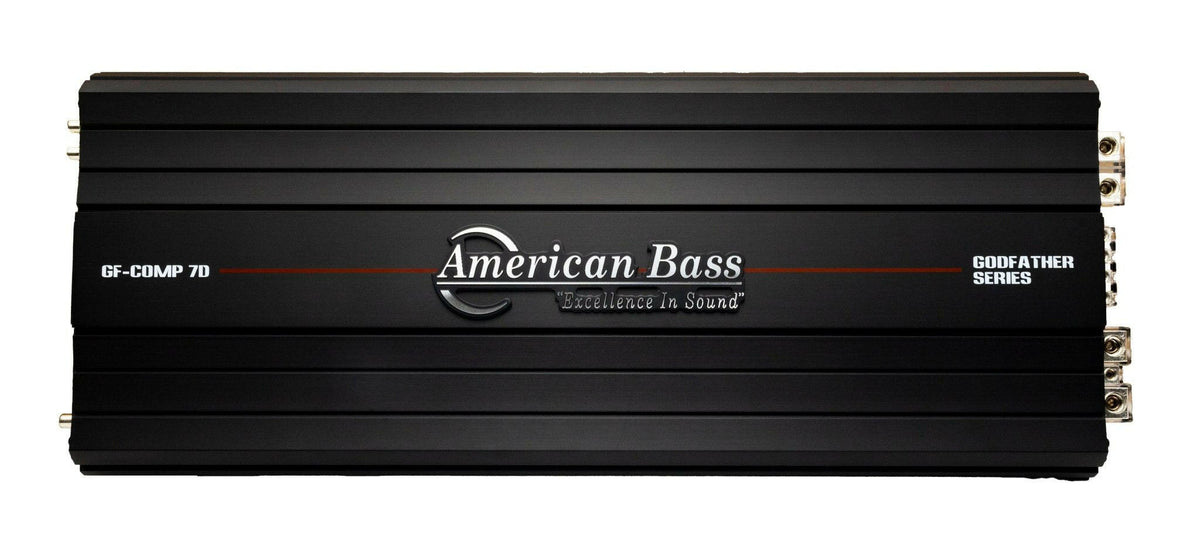
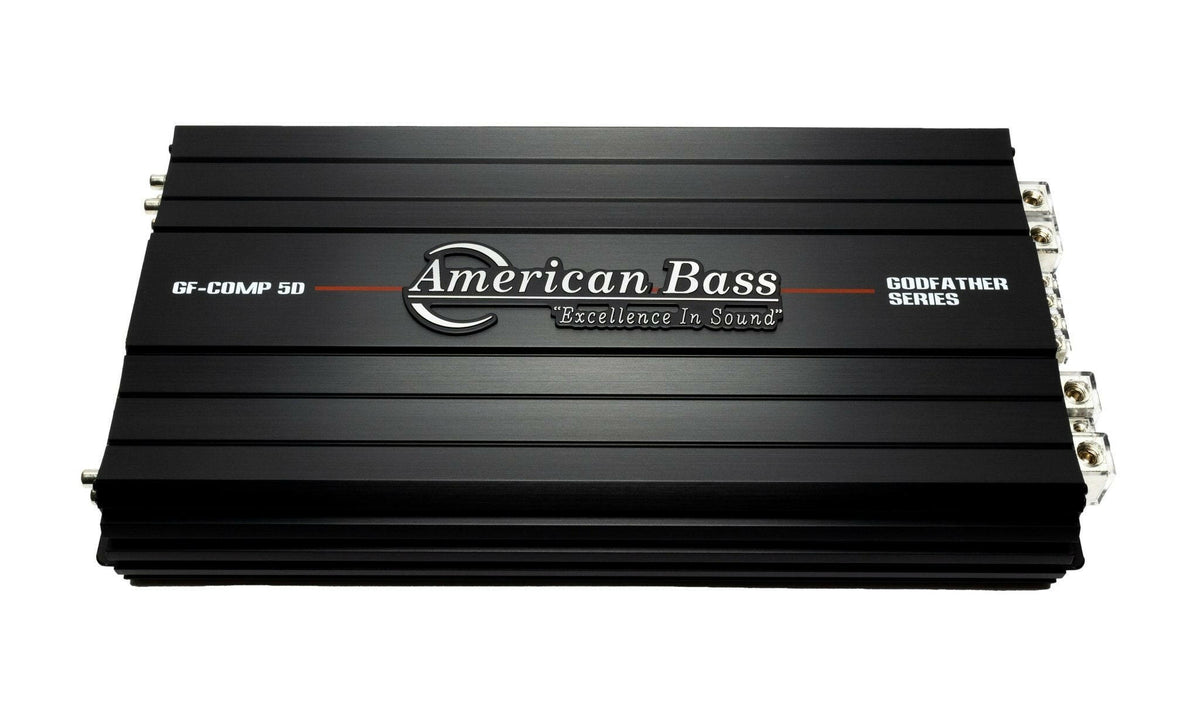
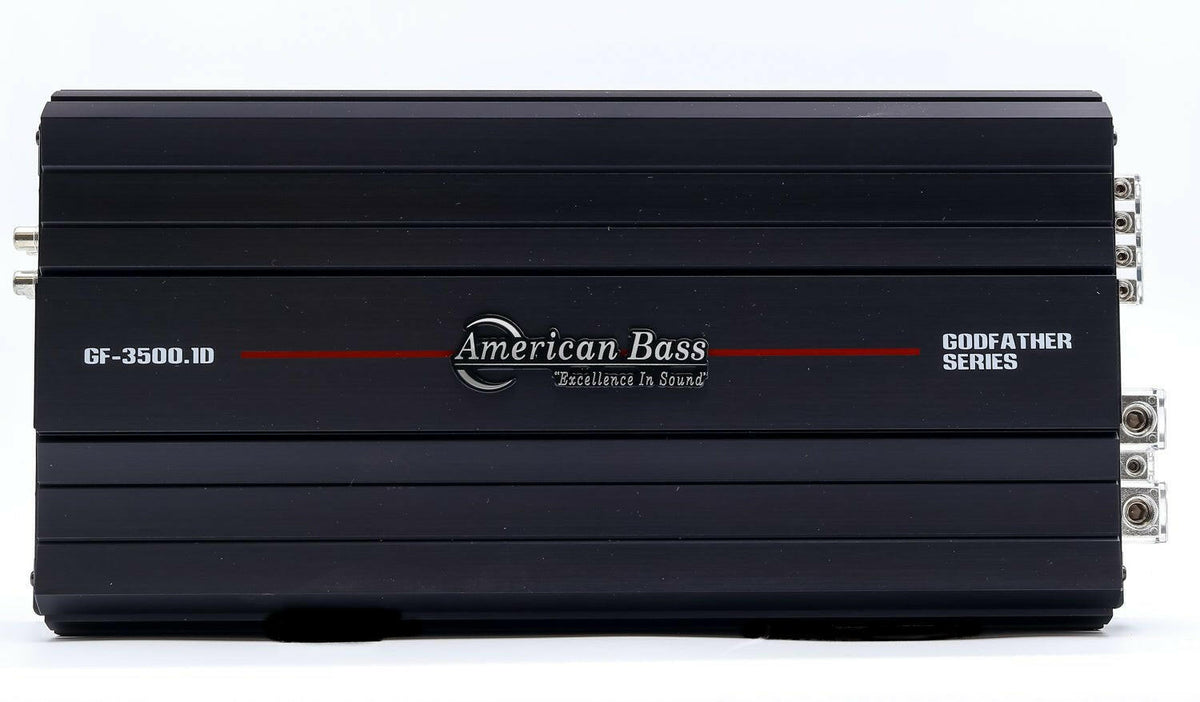
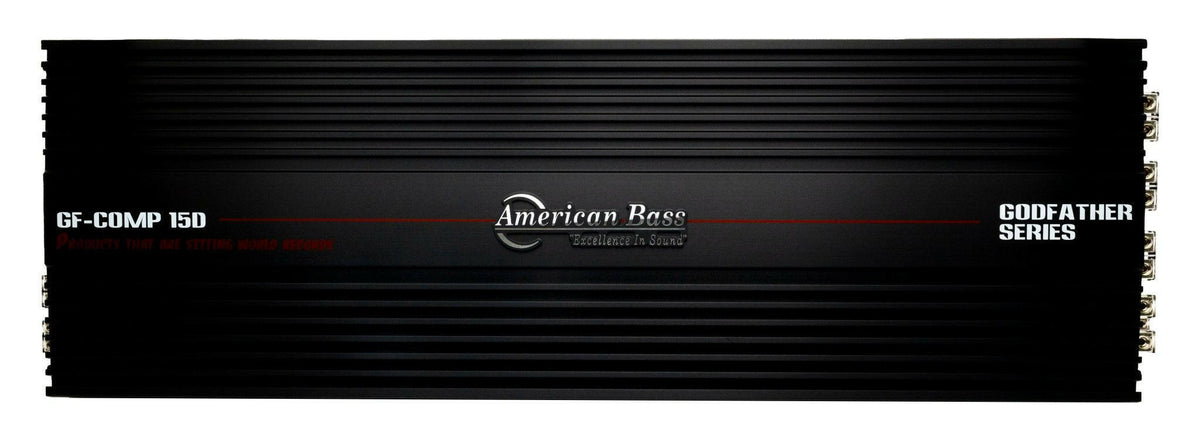
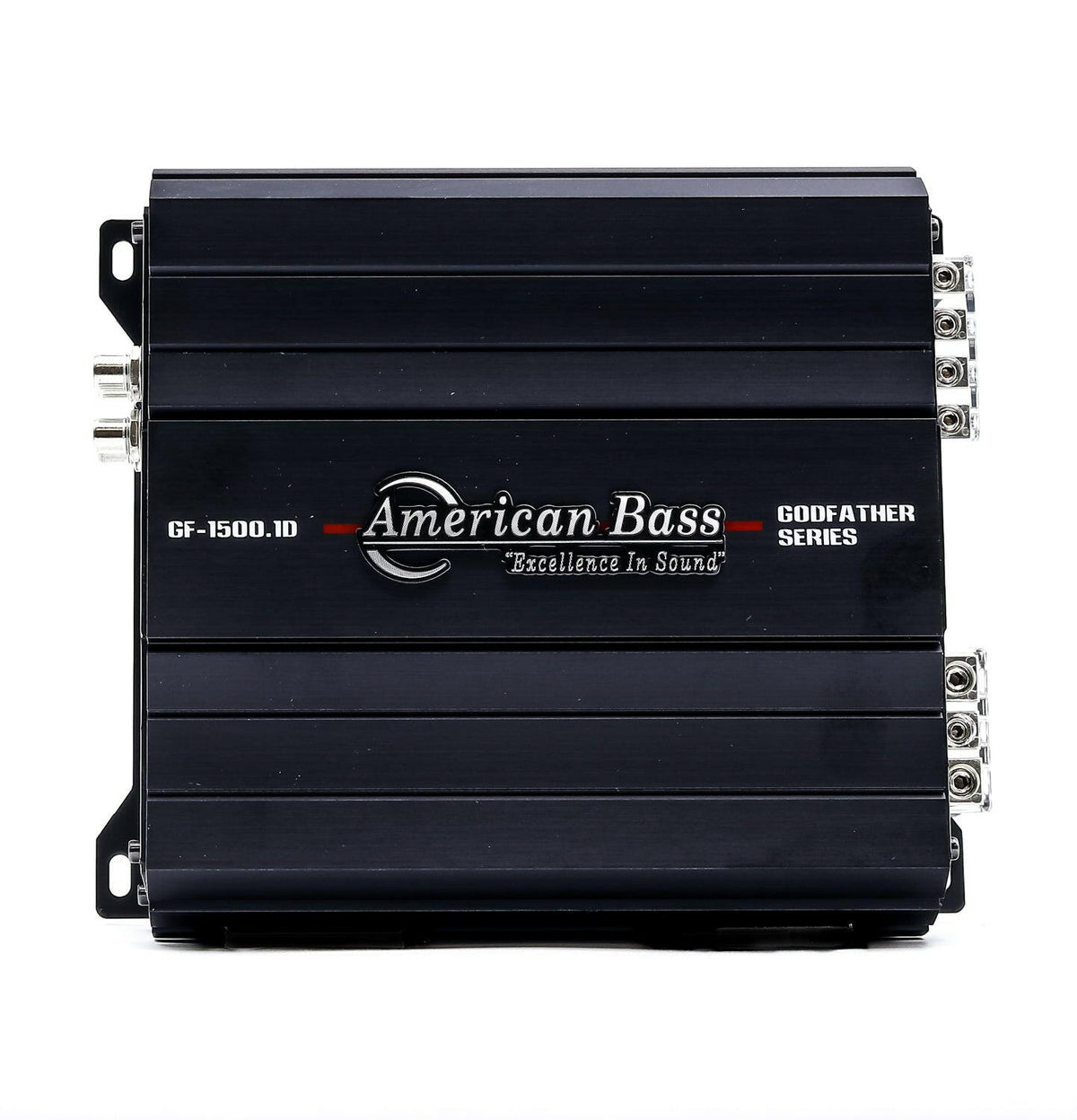
- Godfather Series. Hard-hitting power for loud street systems, with Godfather COMP models built for SPL lanes.
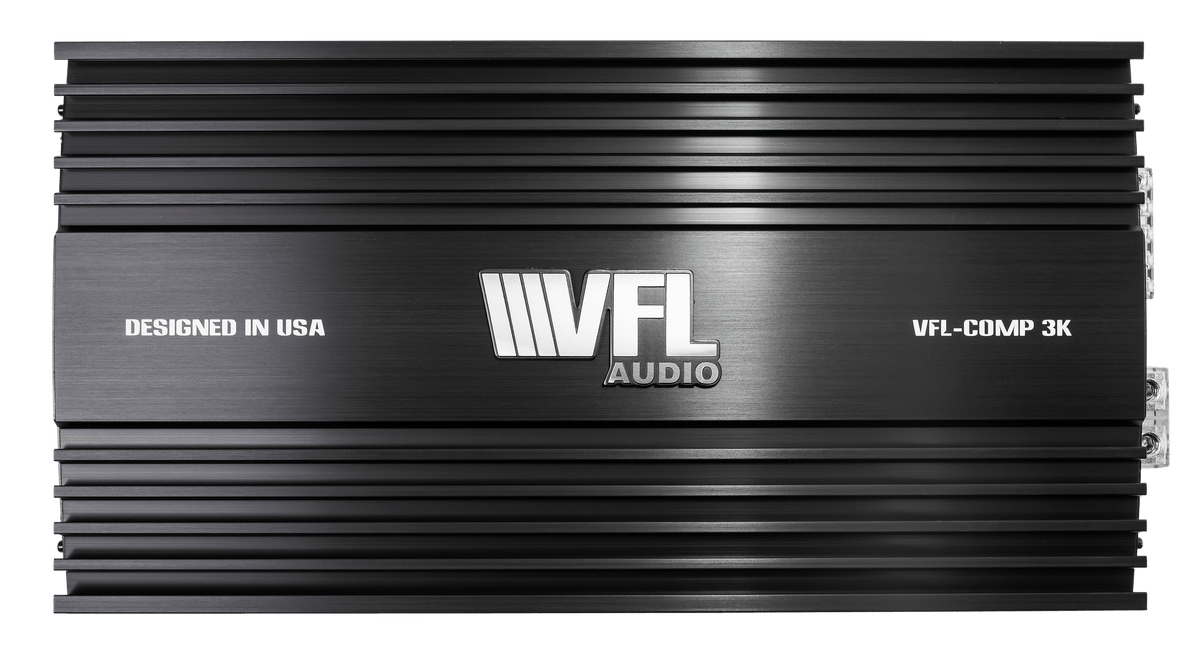
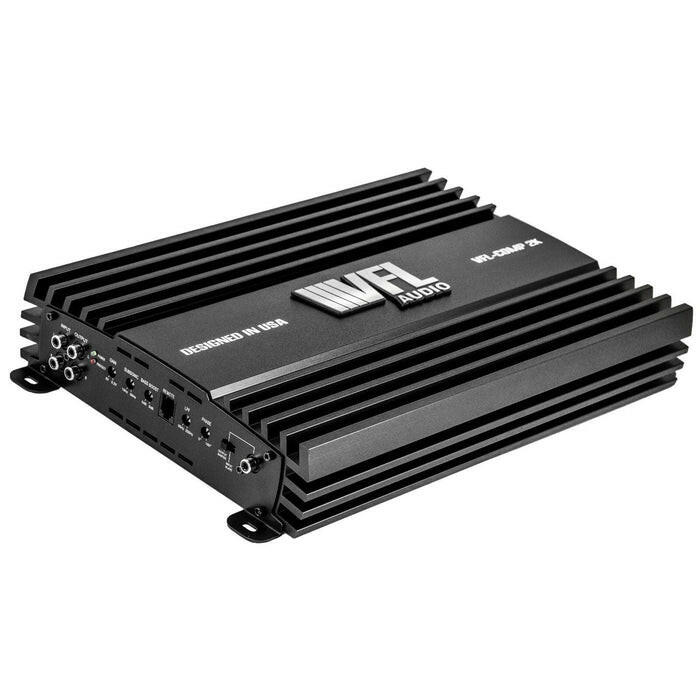
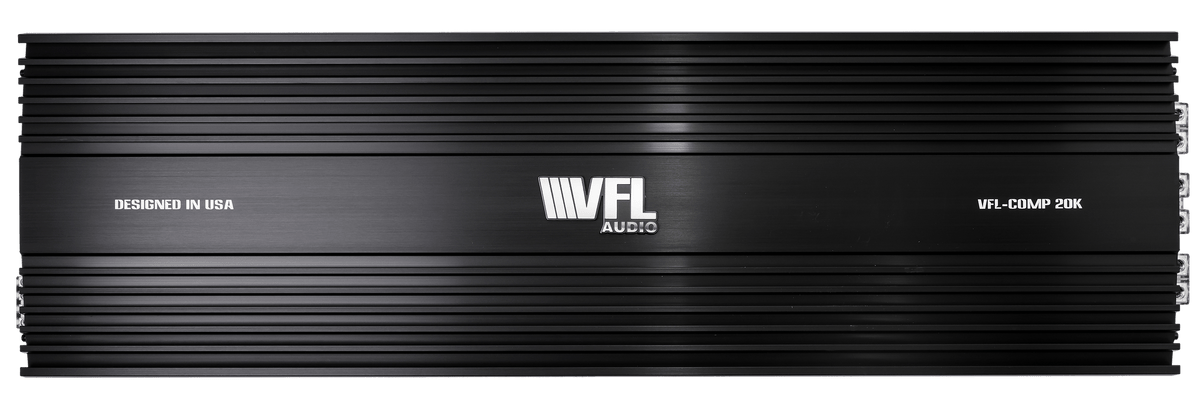
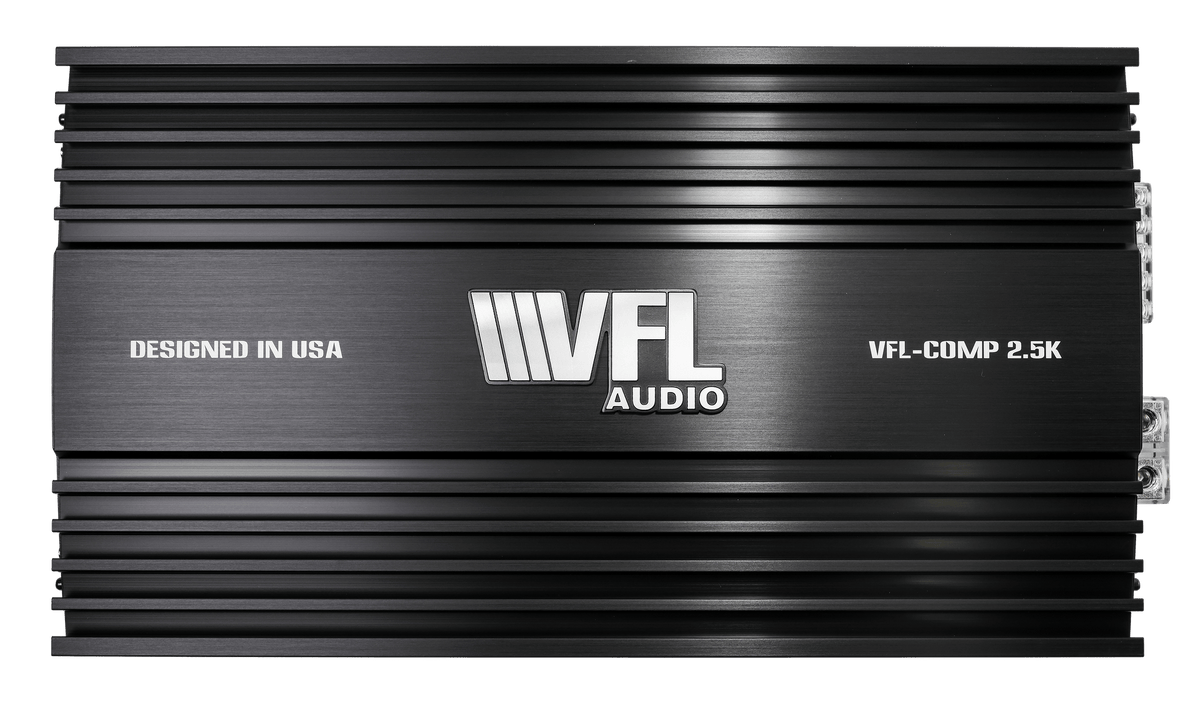
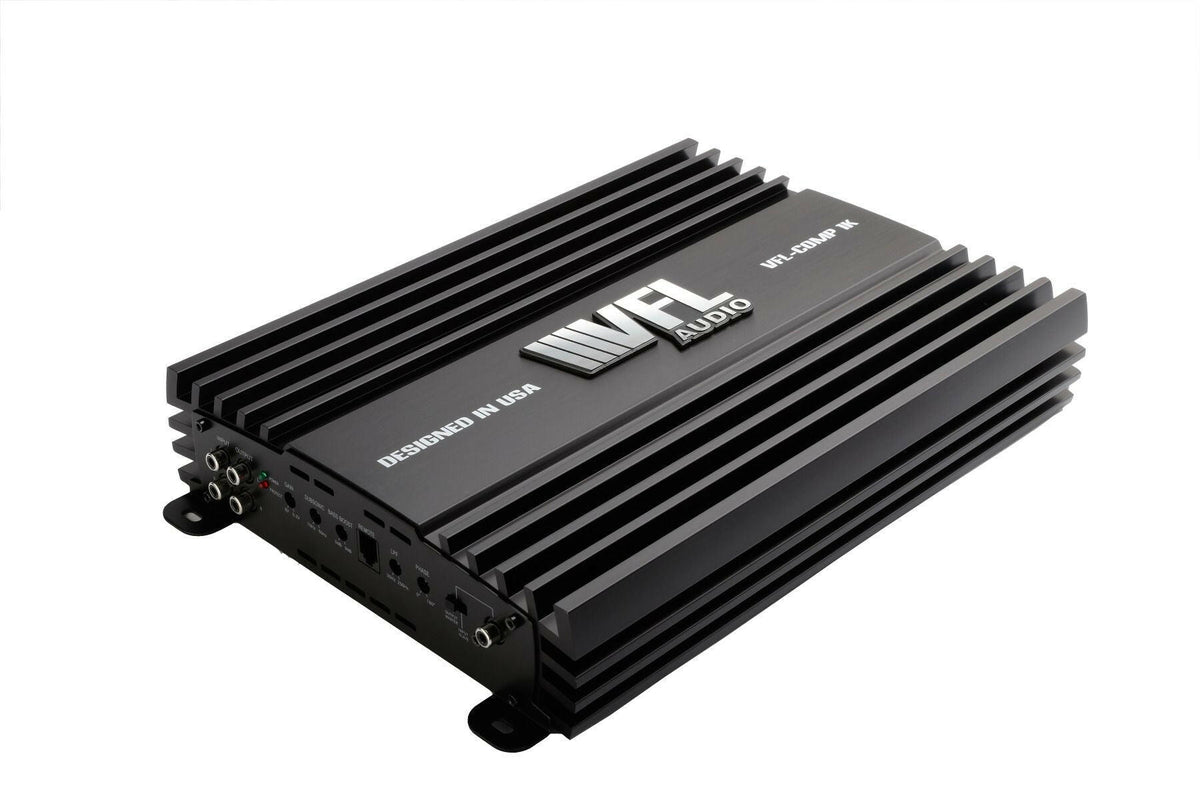
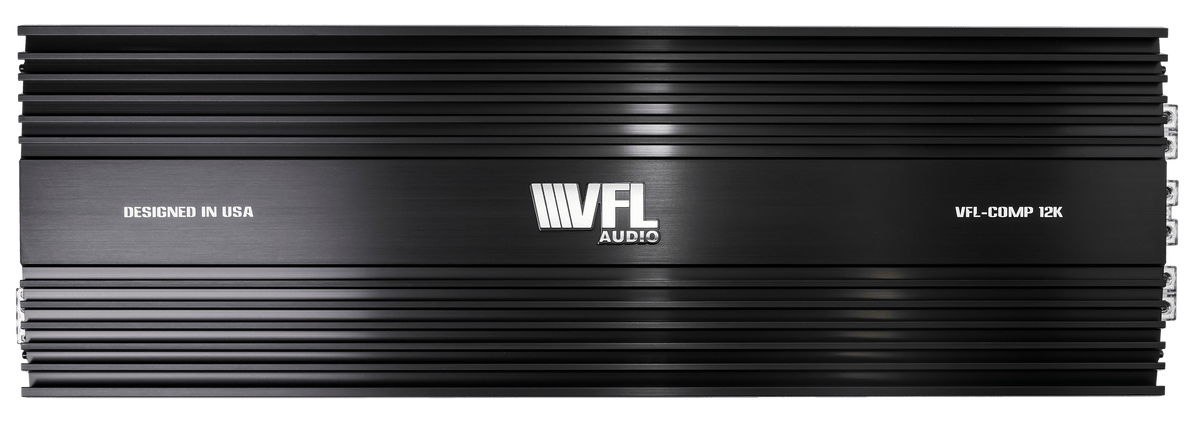
- VFL COMP Series. Competition monoblocks from the COMP 1K up to the COMP 20K for builders chasing numbers.
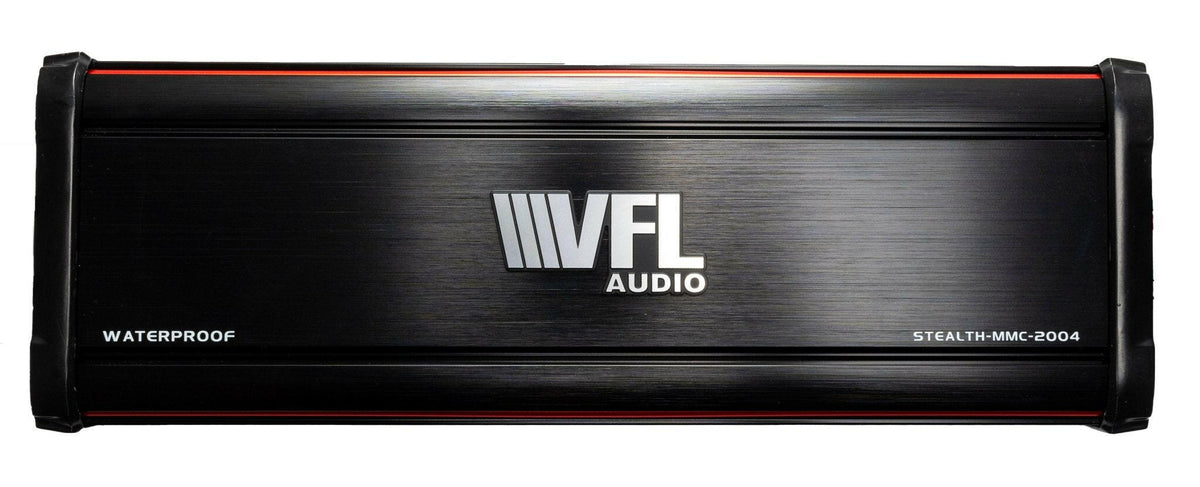
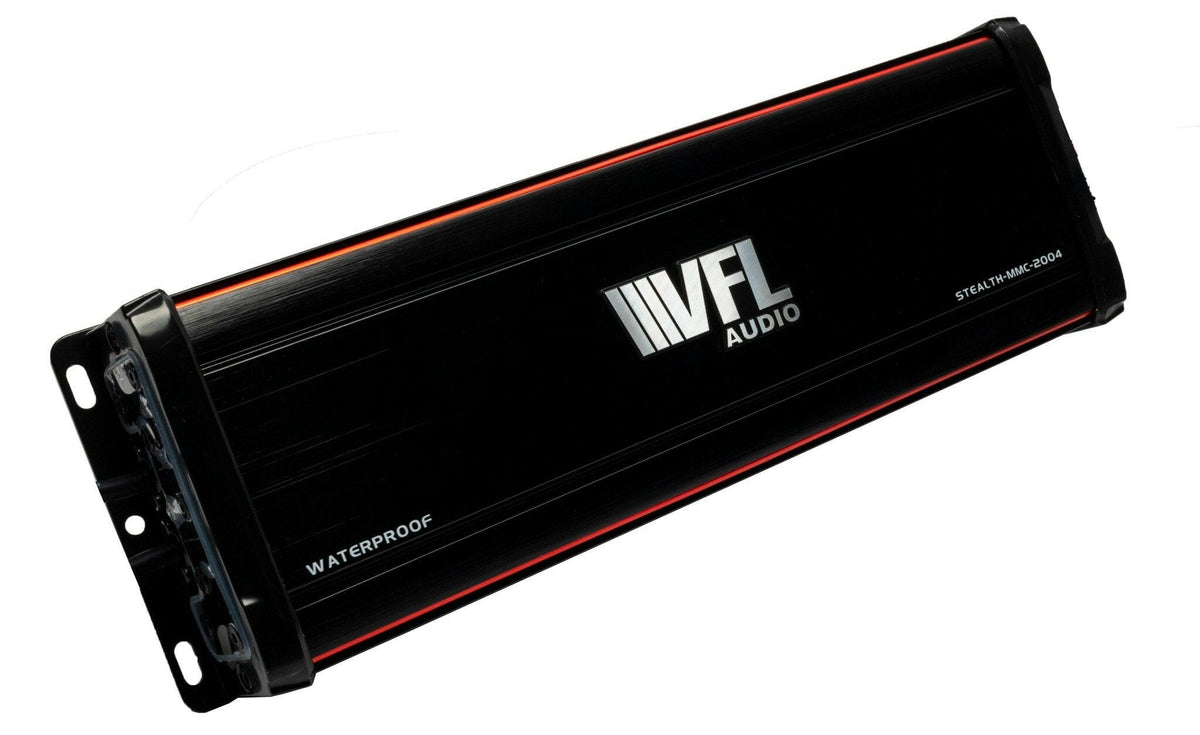
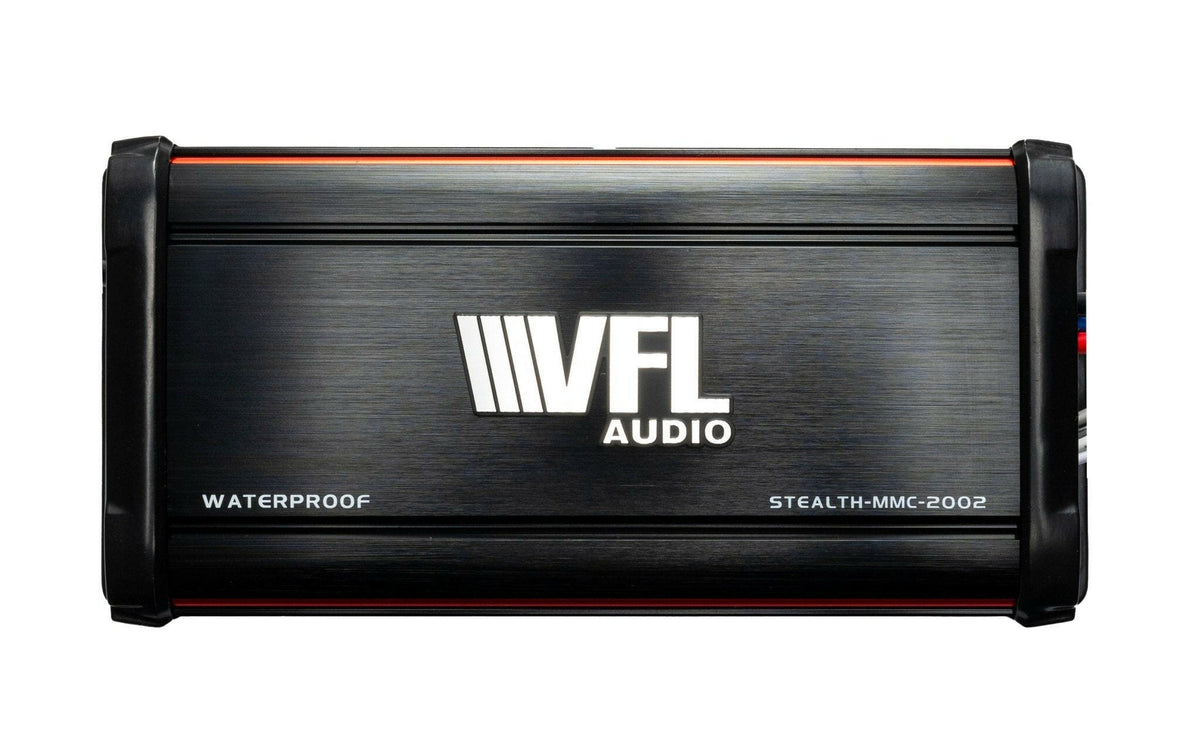
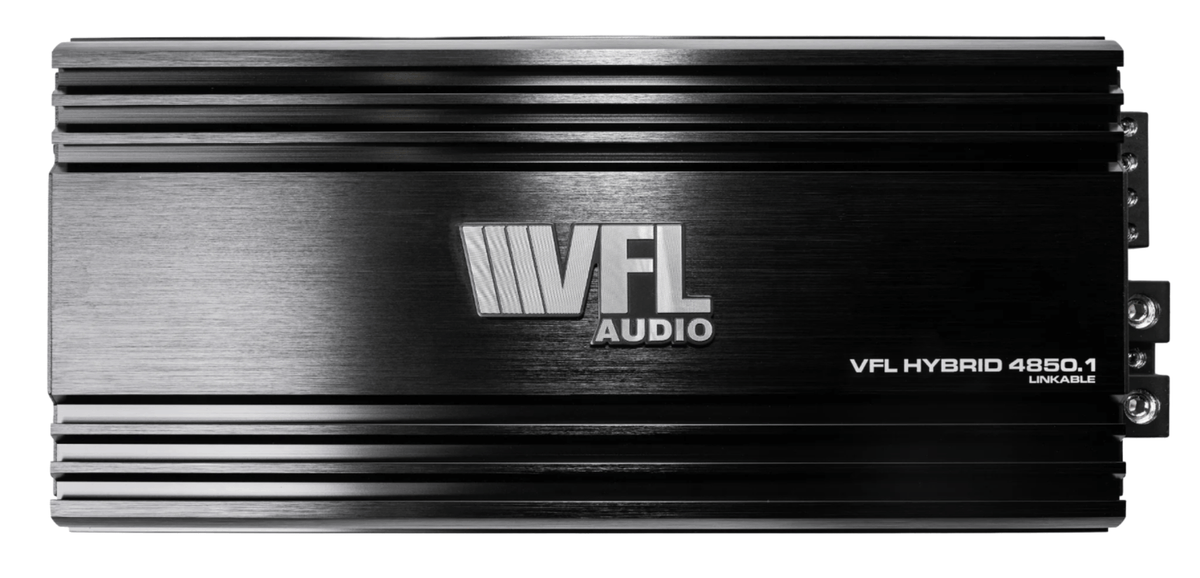
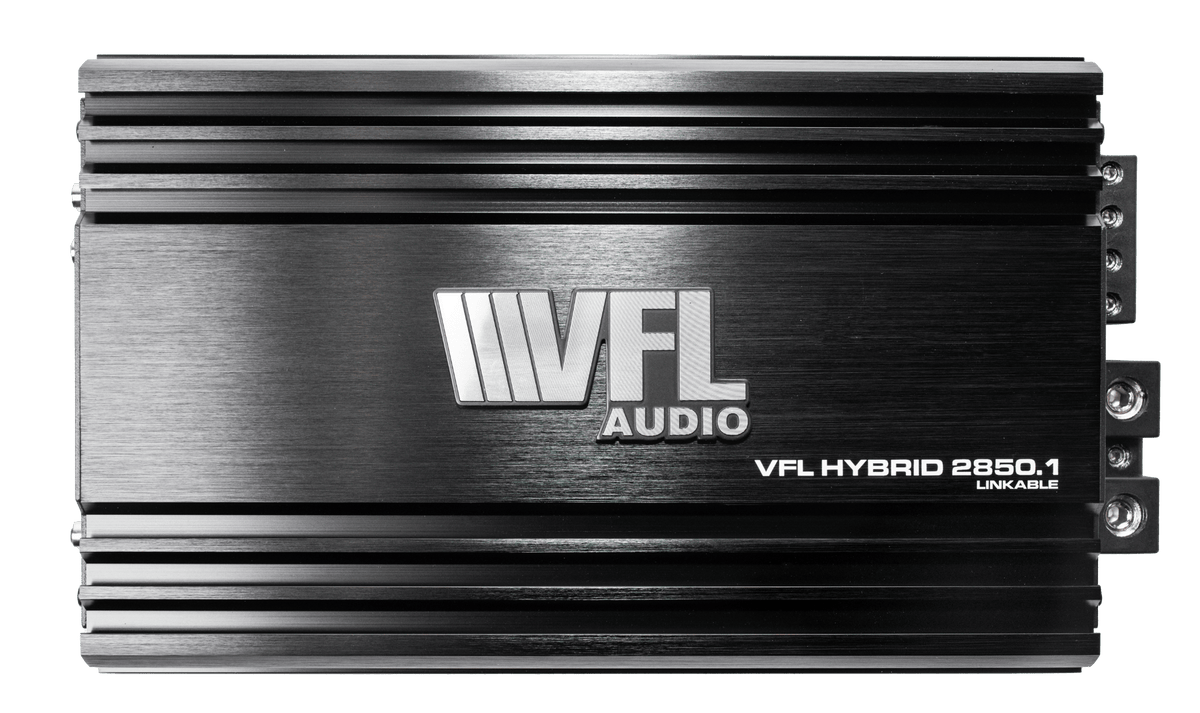
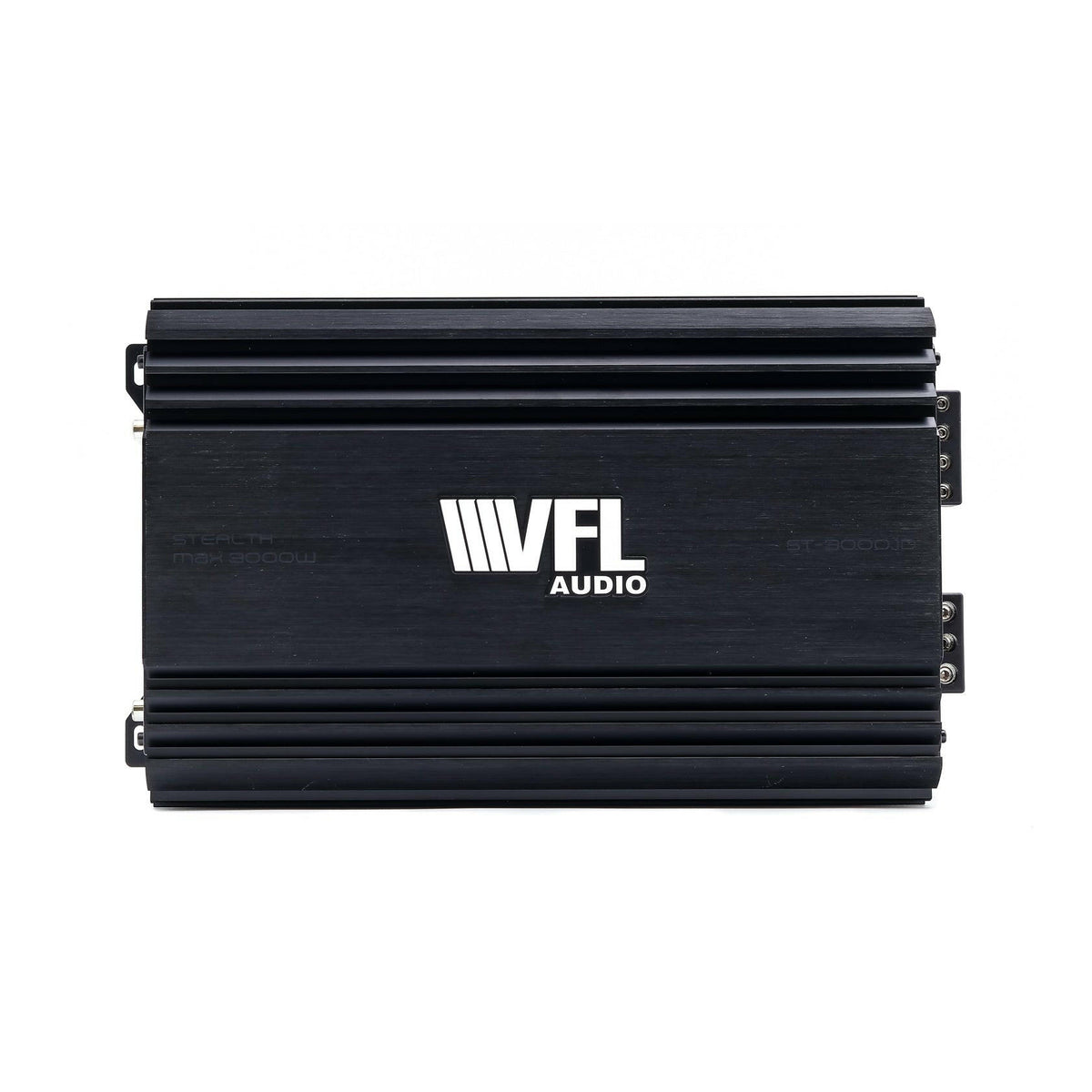
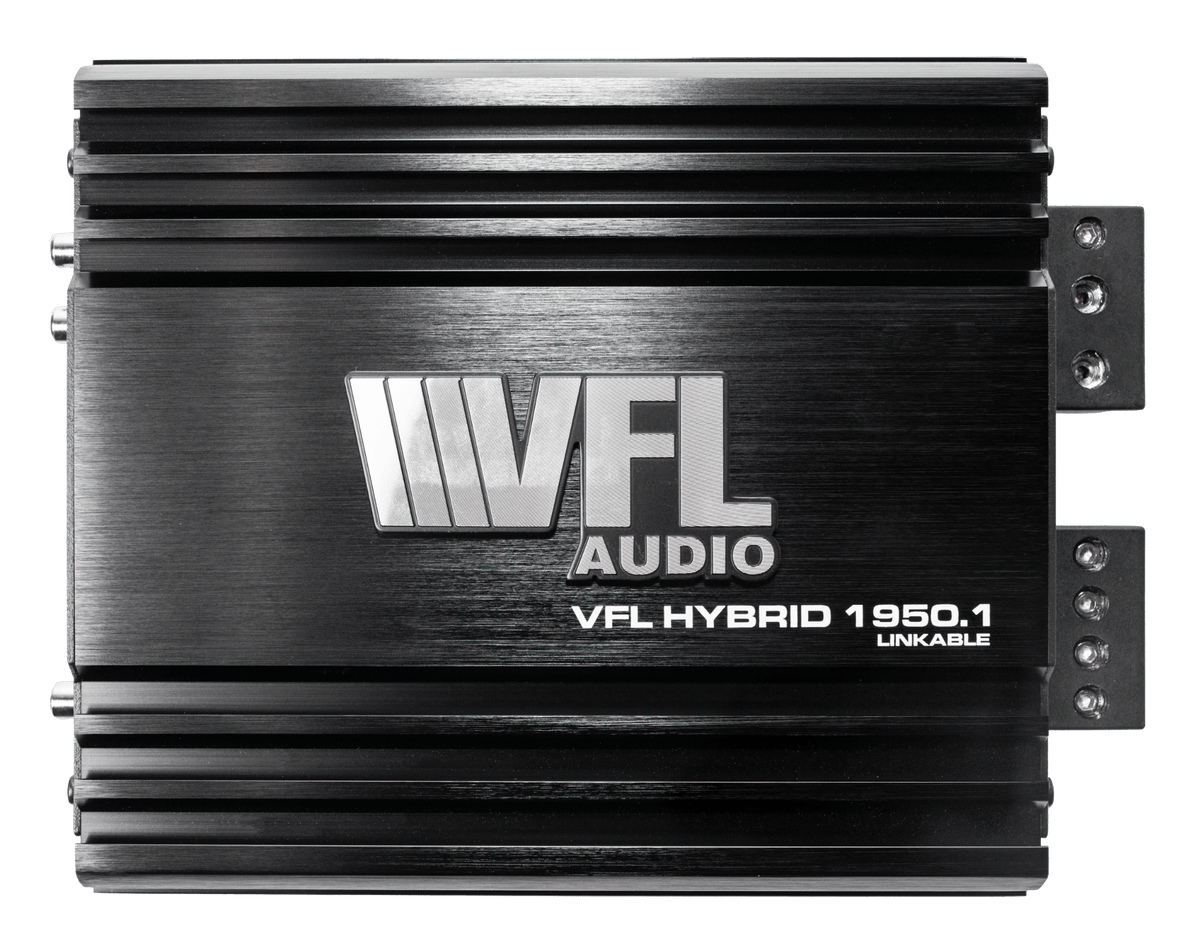
- VFL Hybrid and Stealth Series. Efficient Class D designs that pack strong output into a slim chassis.
Use the filters above to narrow by power, impedance and series.
Running door speakers too? Pair your mono amp with one of our 4 channel car amplifiers, or run the full system from a single 5 channel car amplifier. Still choosing subs? Browse our car subwoofers.
FAQs
What is a monoblock amplifier used for?
A monoblock is a single-channel amp built to power subwoofers. It focuses all its output on low frequencies and usually includes a low-pass filter and bass controls. One monoblock can run one sub or several, as long as the wiring lands on a load the amp is stable at.
Can one monoblock amp run two subwoofers?
Yes. Wire both subs so the combined load matches an impedance your amp supports, such as 1 or 2 ohms. Then match the amp’s RMS at that load to the total RMS of both subs. Our sub + amp matching calculator does the math for you.
Is a 1-ohm stable amp better than a 2-ohm amp?
Not automatically. A 1-ohm stable amplifier gives you more power options, but it also draws more current at that load. If your subs wire to 2 ohms, a strong 2-ohm amp may be the smarter buy. Pick the amp rated for your final impedance.
Can I run door speakers off a monoblock amp?
It is not a good idea. Most monoblocks are tuned for bass, with crossovers that cut the mids and highs your speakers need. Power your speakers with a 2 or 4 channel amp and let the monoblock handle the subs.
Do I need a bigger battery or alternator for a monoblock?
For smaller amps on a healthy electrical system, usually not. Once you pass roughly 1,000 watts RMS, plan on heavier wiring, the Big 3 upgrade and extra battery reserve. Our electrical load calculator shows what your build needs.
Why does my amp keep going into protect mode?
The usual causes are a load below the amp’s rated impedance, a weak ground, low voltage or overheating. Check your wiring math, sand your ground point to bare metal and confirm your power wire is the right size. Our Bass Troubleshooter walks you through the fix.
EXPLORE OTHER AMPLIFIERS
Shop our range of car amplifiers and find the right power and channel configuration for your audio system.


