Which Amplifier Configuration Do You Need?
Channel count is the first decision, and it depends on what you are powering.
| Channels | Powers |
|---|---|
| Monoblock (1) | Subwoofers only |
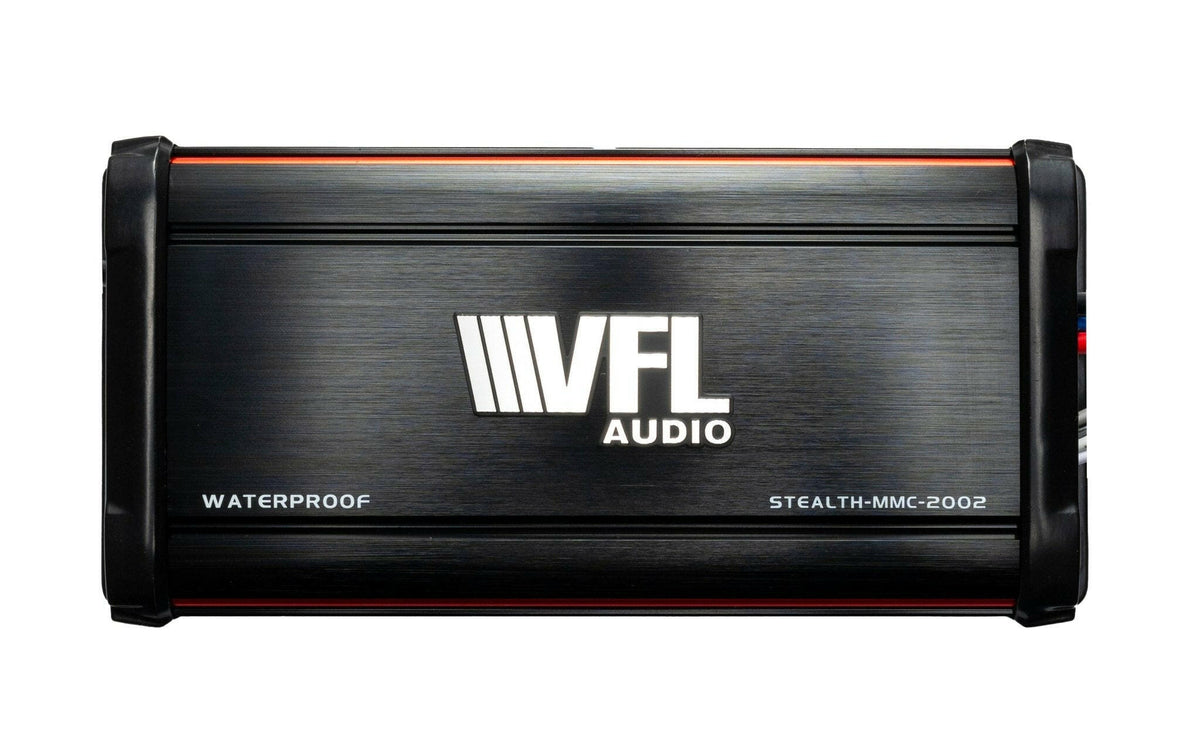
| 2-channel | A pair of speakers, or one sub bridged |
| 4-channel | Front and rear speakers |
| 5-channel | Full system, speakers plus a sub |
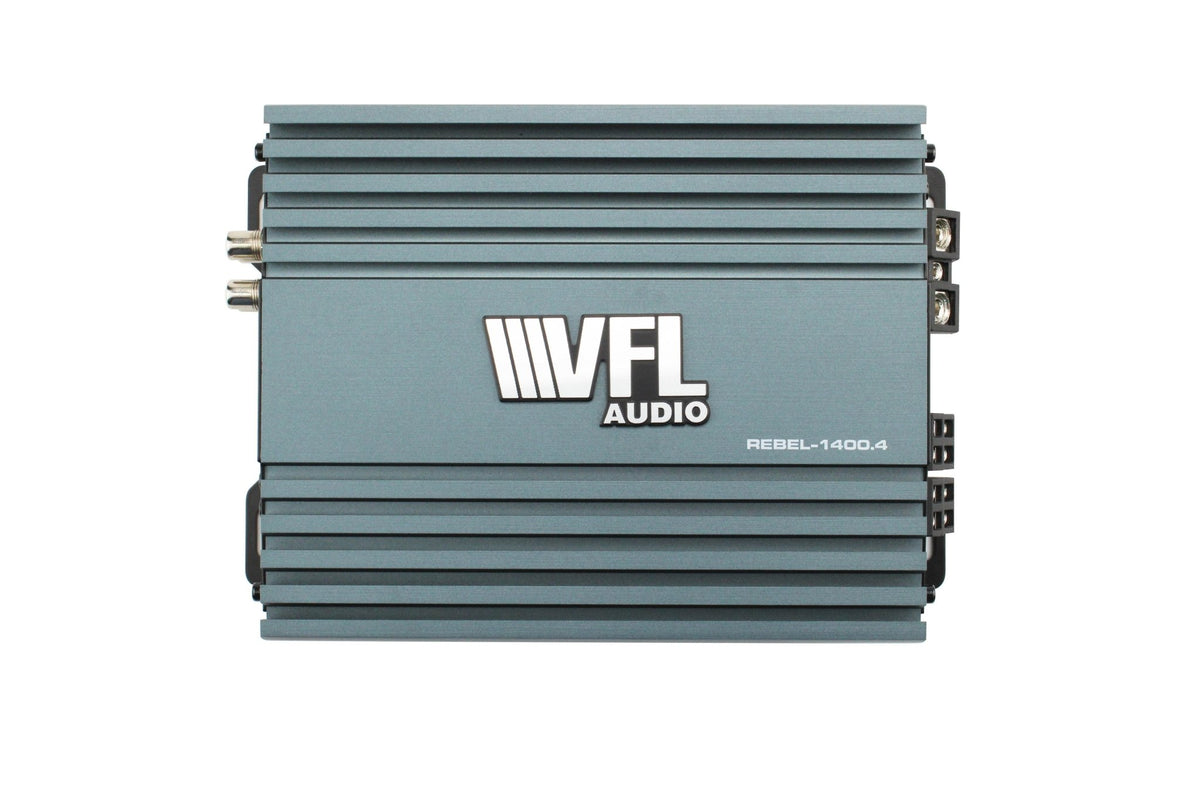
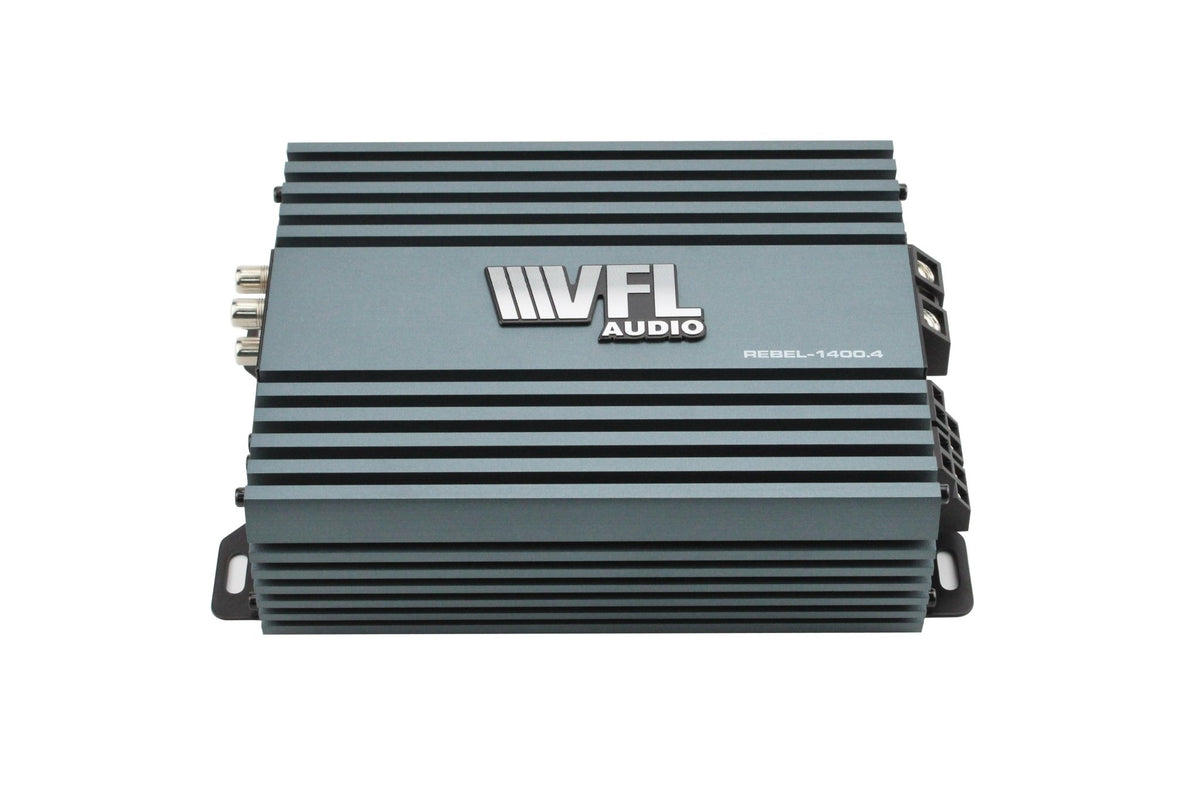
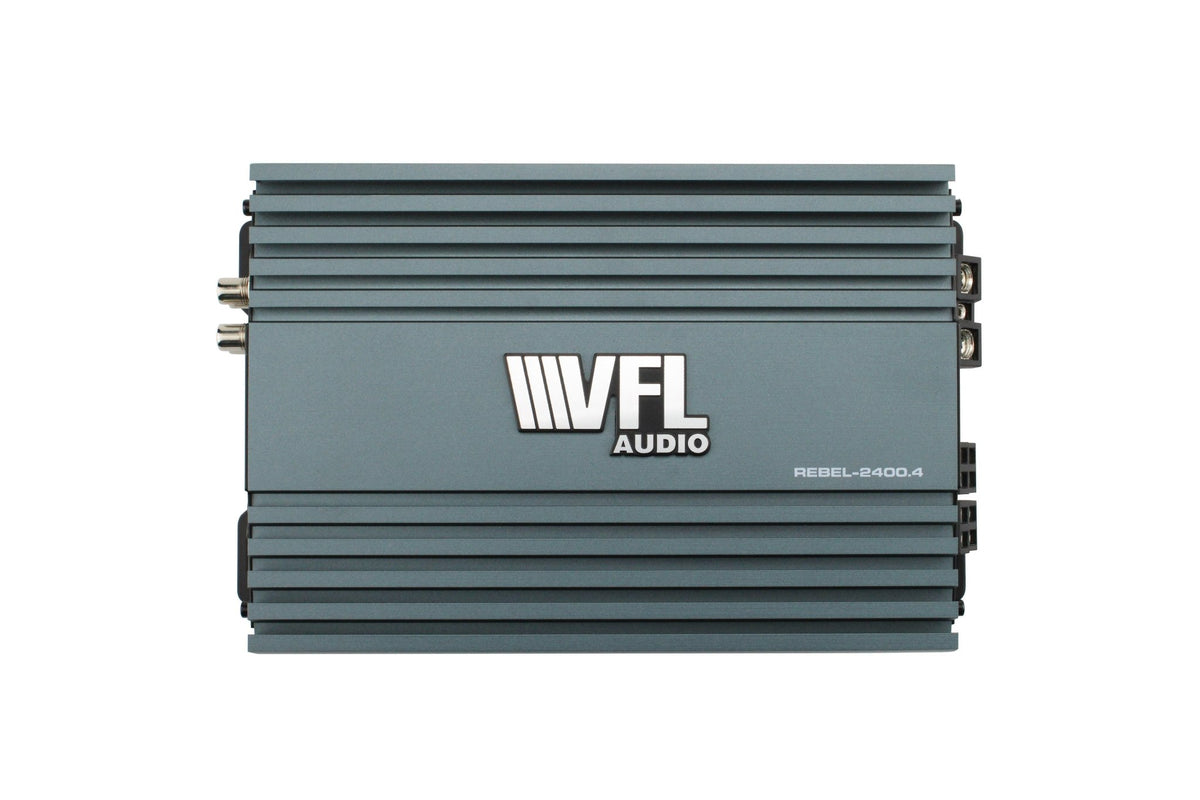
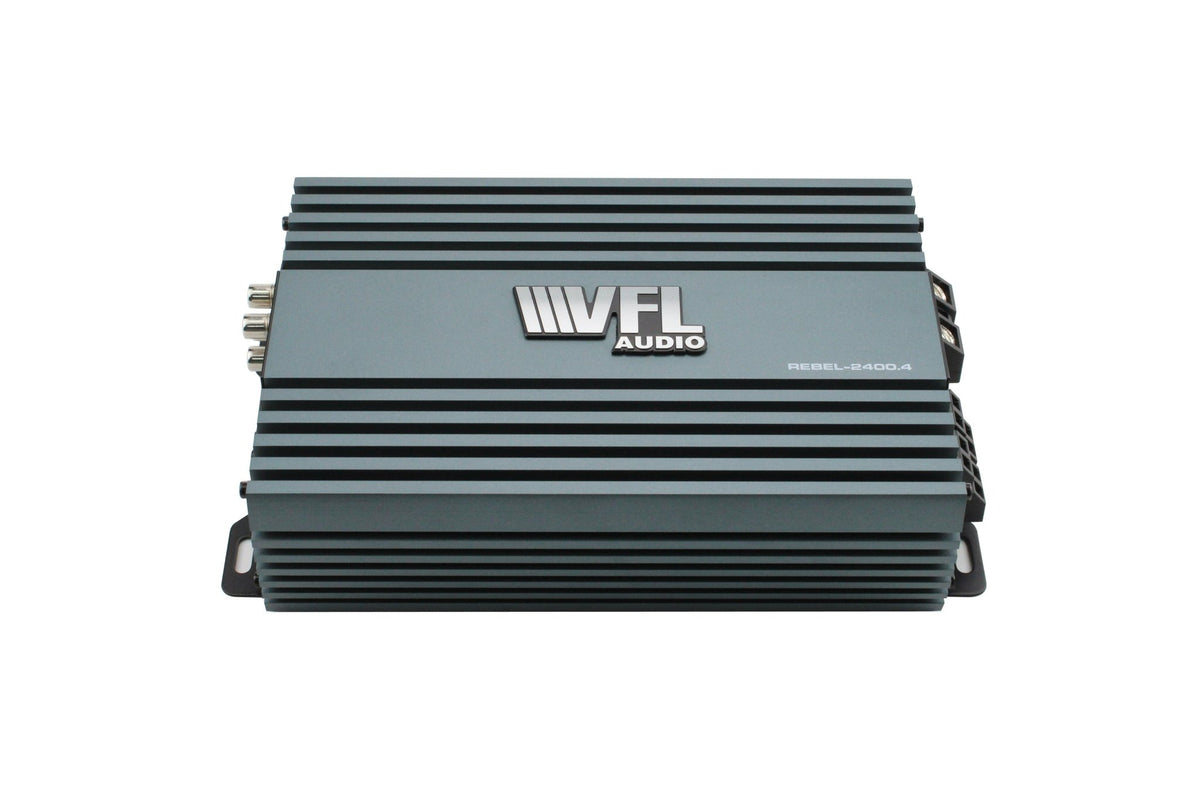
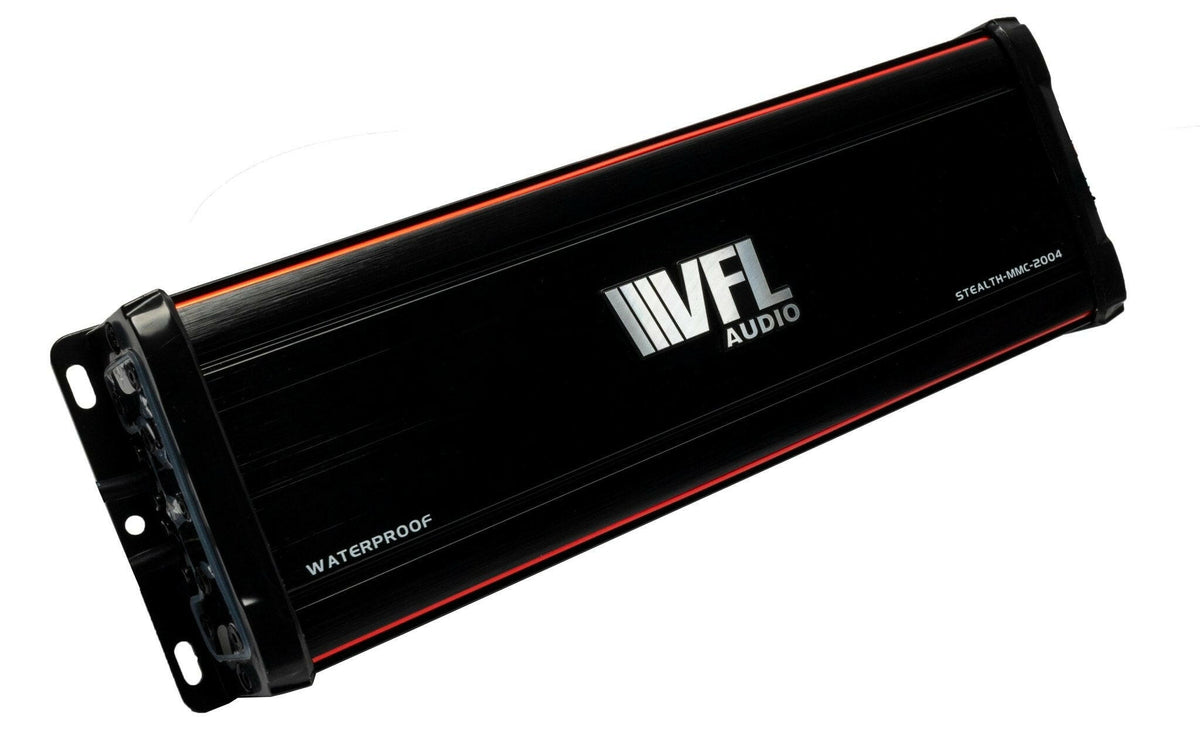
A 4-channel car amplifier powers all four door speakers from a single chassis. Running a complete system from one unit? A 5-channel car amplifier powers your speakers and subwoofer together.
Many of the models here are bridgeable, so that you can combine channels for more power with fewer speakers. That flexibility lets one amplifier serve several build stages.
How Much Power Should You Buy?
Buy on RMS and treat peak wattage as noise. RMS is the continuous output your speakers actually receive.
Match your amplifier's RMS to your speaker or subwoofer rating. An underpowered amplifier for car speakers clips the signal and cooks voice coils. Clean matched power protects your gear for years.
Every product page here lists true RMS output at each impedance. You know exactly what you are buying before you commit.
Class D or Class AB?
Both designs are here, and each earns its place.
Class D runs cool and efficiently, which makes it the standard choice for bass. It draws less current and fits tighter spaces.
Class AB delivers smooth, natural reproduction across mids and highs. It suits full-range duty where sound quality leads.
Choosing a car audio amplifier in either class comes down to what you are driving. Bass builds lean Class D. Sound quality builds often keep Class AB up front.
Match Your Amp to Your Speakers and Subs
Two numbers decide whether a pairing works. RMS output and impedance stability.
Your amplifier produces different power at different ohm loads. A monoblock rated for 1 ohm delivers far more than the same unit at 4 ohms. Your subwoofer's wiring sets that load.
Our sub-amp matching calculator pairs your subwoofer with compatible amps. Running speakers instead? The speaker and amp matching calculator handles that side.
Why American Bass Amplifiers
We have built car audio in Twinsburg, Ohio for over 35 years. Here’s what makes us different:
- Honest power ratings. True RMS at every impedance, listed on every page.
- Built to hold voltage. Heavy-duty power supplies keep output steady under hard bass.
- Tools that remove the guesswork. Gain calculators, wiring diagrams, and electrical load charts.
- Free shipping over $100. No surprise costs at checkout.
- Comprehensive support. Our team is available Monday through Friday.
- Help with fitting. Our installer finder connects you with shops nearby.
Find the Range That Suits Your Build
Our lineup runs from first upgrades to competition-level power.
Entry-range amplifiers give factory systems a real lift at affordable prices. They suit door speakers and modest subwoofer builds.
Performance-range models deliver higher output and stronger power supplies. This is where the best car amplifier choice sits for most serious daily systems.
Competition-range amplifiers deliver extreme output with heavy-duty construction. They hold voltage where lesser designs give up.
Full-range and multichannel models cover complete systems in a single chassis. A car stereo amplifier in this group drives your whole cabin cleanly.
Use the filters above to narrow by channel count, power, and class.
Setting Up Your Amplifier
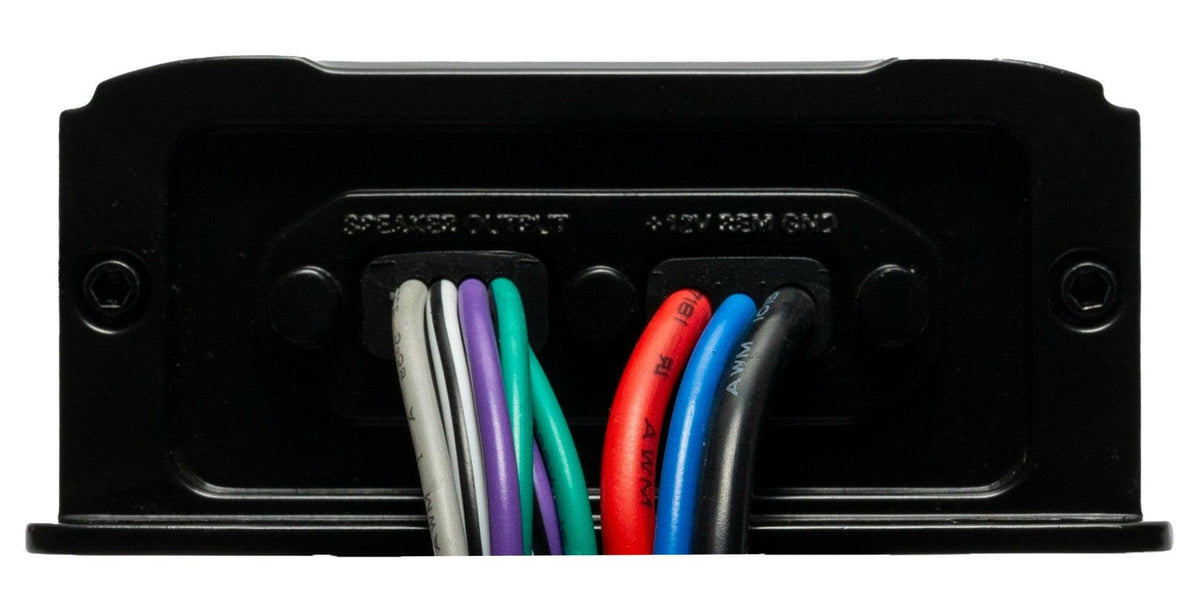
Your amplifier pulls a set amount of current. Thick wire carries it, thin wire chokes it. Undersized cable drops your voltage and weakens your bass. Our power wire calculator gives you the exact size.
Sand a spot down to bare metal, then bolt your ground wire there. Keep the run under 18 inches. A weak ground causes engine whine and random shutdowns.
Gain matches your amp to your stereo, and it is not a volume knob. Turn your stereo to about 75 percent, then raise the gain until you hear distortion. Back it off slightly and stop there. Our amp gain calculator helps you make a better decision.